In industrial sectors where extreme heat, flame exposure, and repeated thermal fluctuations are common, choosing the correct insulation material is essential for maintaining operational safety, equipment reliability, and long-term cost control. Among various high-temperature materials available today, texturized fiberglass cloth has become a widely trusted option for engineers, manufacturers, and industrial buyers.
This article explains the major considerations when selecting texturized fiberglass cloth for demanding thermal environments, highlights the key performance characteristics that matter most, and discusses how experienced manufacturers such as Changshu Jiangnan Fiberglass Co., Ltd. help ensure dependable product quality and supply stability.
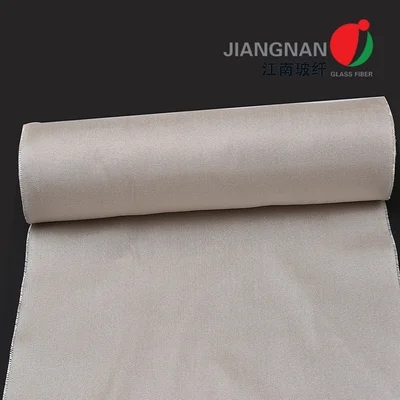
Understanding Texturized Fiberglass Cloth
Texturized fiberglass cloth is manufactured by processing continuous fiberglass yarn through a special texturizing technique that increases the yarn’s bulkiness and loft. Compared with ordinary fiberglass fabrics, this structure greatly improves thermal insulation capability.
The finished material offers several important advantages, including:
-
High heat resistance, often reaching 550°C or higher depending on coating type
-
Low thermal conductivity
-
Excellent flexibility
-
Resistance to many chemicals
-
Stable dimensional performance under heat
Thanks to these properties, it is commonly applied in welding protection, industrial insulation systems, expansion joints, and fire-resistant barriers.
Why Texturization Is Important
Although standard fiberglass fabric already provides strong heat resistance, many industrial applications require higher insulation efficiency. The texturizing process creates microscopic air pockets inside the yarn structure, which significantly reduce heat transfer.
This improved structure delivers several major benefits.
Superior Thermal Insulation
The trapped air functions as an insulating barrier, helping minimize heat loss and improving thermal separation in high-temperature systems.
Greater Flexibility
Texturized fiberglass cloth is softer and easier to shape around uneven surfaces such as valves, pipes, ducts, and industrial machinery.
Improved Performance in Dynamic Conditions
In applications involving movement, vibration, or thermal expansion, the enhanced flexibility helps reduce material fatigue and extend service life.
Key Considerations When Choosing Texturized Fiberglass Cloth
Selecting the proper fiberglass cloth involves more than simply checking a temperature specification. Several technical factors should be carefully evaluated.
1. Heat Resistance Capability
Different industrial environments require different temperature tolerances. Standard fiberglass fabrics generally withstand continuous exposure between 500°C and 550°C, while specialty coatings can improve performance further.
Common options include:
-
Uncoated fabrics for general insulation
-
Silicone-coated fabrics for moisture and abrasion resistance
-
Vermiculite-coated fabrics for higher flame resistance
-
PTFE-coated fabrics for chemical protection and non-stick performance
It is important to consider not only peak temperatures but also exposure duration and repeated thermal cycling.
2. Fabric Thickness and Weight
Thicker and heavier fabrics typically provide stronger insulation performance, though they may reduce flexibility.
-
Lightweight fabrics are suitable for simple wrapping applications
-
Medium-weight materials balance insulation and handling flexibility
-
Heavy-duty fabrics provide maximum thermal protection and durability
The ideal choice depends on both operating conditions and installation requirements.
3. Weave Design
The fabric weave affects mechanical strength, flexibility, and surface characteristics.
-
Plain weave offers good strength and stability
-
Twill weave improves flexibility and drape
-
Satin weave provides smoother surfaces and better conformability
Applications involving complex shapes or moving components often benefit from more flexible weave styles.
4. Surface Coatings and Treatments
Special coatings can greatly enhance performance under specific environmental conditions.
-
Silicone coatings improve water resistance and abrasion durability
-
PTFE coatings increase chemical resistance and simplify cleaning
-
Vermiculite coatings improve resistance to direct flame exposure
Selecting the correct coating depends on the operating environment, including humidity, chemicals, and physical wear.
5. Mechanical Durability
Industrial insulation materials often face harsh mechanical conditions such as vibration, friction, and repeated movement.
Important performance indicators include:
-
Tensile strength
-
Tear resistance
-
Stability during repeated heating and cooling cycles
Durability becomes especially critical in removable insulation jackets, fire curtains, and flexible expansion systems.
Common Industrial Applications
Due to its versatility, texturized fiberglass cloth is used across numerous industries.
Industrial Thermal Insulation
Widely used for insulating pipelines, boilers, turbines, and industrial processing equipment to reduce energy loss.
Welding and Fire Protection
Frequently manufactured into welding blankets, spark barriers, and fire curtains to protect workers and equipment.
Expansion Joint Systems
Provides both heat resistance and flexibility in ducting and exhaust systems where thermal movement occurs.
Automotive and Transportation
Applied in exhaust insulation, thermal shields, and heat management systems for vehicles and industrial machinery.
Construction and Infrastructure
Used in fireproof building systems, tunnel insulation, and structural fire protection applications.
Why Manufacturing Quality Matters
The performance consistency of texturized fiberglass cloth depends heavily on production quality. Fiber purity, weaving precision, coating uniformity, and process control all influence the final material performance.
Changshu Jiangnan Fiberglass Co., Ltd., founded in 1956, has become one of China’s major producers and exporters of fiberglass composite materials and high-temperature insulation products. The company operates a manufacturing base exceeding 100,000 square meters and utilizes advanced warp knitting systems along with wide-width coating production lines to maintain stable product quality and large-scale supply capability.
Its annual production capacity includes:
-
50,000 tons of fiberglass-related products
-
2.4 million fire blankets
-
10 million meters of coated fiberglass fabrics
These materials serve industries including wind energy, transportation, construction, electronics, and industrial safety protection.
The company also maintains a dedicated research and development team focused on improving safety products and advanced composite materials, helping customers meet increasingly demanding industrial requirements.
Practical Tips for Material Selection
Before purchasing texturized fiberglass cloth, consider the following steps:
-
Clearly define continuous and peak operating temperatures
-
Evaluate environmental exposure such as chemicals, moisture, and abrasion
-
Determine required flexibility for installation and maintenance
-
Select coatings based on operational conditions
-
Choose manufacturers with reliable quality control and technical support capabilities
For additional product information and specifications, you can visit:
Mistakes Commonly Made During Selection
Even experienced buyers sometimes overlook important factors. Common errors include:
-
Focusing only on maximum temperature ratings
-
Ignoring coating compatibility with chemicals or moisture
-
Choosing excessively thick materials that complicate installation
-
Underestimating long-term wear and maintenance requirements
Avoiding these issues can improve equipment efficiency while reducing maintenance and replacement costs.
Emerging Trends in High-Temperature Materials
As industries pursue higher efficiency standards and stricter safety regulations, demand for advanced thermal insulation materials continues to grow. New developments in coating technology, hybrid composites, and production methods are helping improve both performance and sustainability.
Manufacturers with strong technical research capabilities are leading this progress by introducing more specialized and durable high-temperature solutions.
Conclusion
Selecting suitable texturized fiberglass cloth requires careful evaluation of thermal resistance, structural design, coatings, flexibility, and operating conditions. When properly matched to the application, it can deliver excellent insulation performance, improved workplace safety, and long-term operational reliability.
Partnering with experienced suppliers such as Changshu Jiangnan Fiberglass Co., Ltd. provides access to dependable materials supported by decades of manufacturing expertise, large-scale production capability, and ongoing product innovation.
www.jnglassfiber.com
Changshu Jiangnan Fiberglass Co., Ltd.
About Author


More Stories
Cleanroom HVAC System Design: Building Stable Controlled Environments for Precision Industries
Sustainable Non-Peroxide Whitening Tablets Wholesale
How Businesses Can Combine Solar Wind and Energy Storage for Long Term Energy Independence