The electric vehicle revolution has created unprecedented demand for specialized battery logistics. As EV manufacturers scale production globally, they face a critical challenge: transporting lithium-ion batteries safely, compliantly, and cost-effectively across international borders. This complex cargo category demands expertise that goes far beyond conventional freight forwarding.
Understanding the Complexity of EV Battery Logistics
Lithium-ion batteries powering electric vehicles are classified as dangerous goods (DG) under international shipping regulations. This classification triggers stringent requirements across documentation, packaging, labeling, and carrier selection. Manufacturers must navigate UN38.3 testing certifications, Material Safety Data Sheets (MSDS), and country-specific import restrictions—all while maintaining production schedules and controlling logistics costs.
The stakes are particularly high in Southeast Asia, where EV adoption is accelerating rapidly. Indonesia, Malaysia, and Thailand are emerging as key markets for electric vehicles, yet their regulatory frameworks for battery imports remain complex and evolving. Manufacturers shipping battery components or finished vehicle batteries to these markets require logistics partners who understand both Chinese export compliance and Southeast Asian import procedures.
Critical Pain Points in Battery Cargo Transportation
EV manufacturers consistently encounter several logistical obstacles when moving battery cargo from China to international destinations. First, carrier availability remains limited—many ocean carriers and airlines restrict dangerous goods shipments or impose significant surcharges, creating capacity constraints during peak seasons. Second, documentation errors prove costly; a single missing certificate or improperly classified shipment can result in cargo detention, storage fees, and production delays.
Third, oversized battery packs for commercial vehicles or energy storage systems require specialized handling as out-of-gauge (OOG) cargo. These shipments demand flat rack containers, open-top configurations, or breakbulk solutions that few forwarders can reliably execute. Fourth, warehousing presents challenges—not all facilities are certified to store dangerous goods, and improper storage creates safety risks and regulatory violations.
Finally, rate volatility undermines budget predictability. Manufacturers relying on spot market pricing face unpredictable cost fluctuations that complicate financial planning and margin management.
The Infrastructure Required for Compliant Battery Logistics
Successfully managing EV battery shipments requires a specific operational infrastructure. Licensed NVOCC status provides the legal framework for issuing compliant bills of lading and assuming carrier responsibility. Direct contracts with major ocean carriers and airlines ensure first-hand access to dangerous goods capacity at contract rates rather than inflated spot pricing.
In-house warehousing capabilities across multiple Chinese port cities enable proper dangerous goods storage, secondary packaging reinforcement, and compliant container stuffing. These facilities must meet safety standards for lithium battery handling while offering flexibility for consolidation and labeling services.
Equally important is customs expertise spanning both Chinese export procedures and destination country import requirements. Battery shipments require coordination across multiple regulatory bodies, and experienced logistics providers maintain current knowledge of Certificate of Origin requirements, import licensing, and country-specific restrictions.
How Specialized Providers Address Battery Cargo Challenges
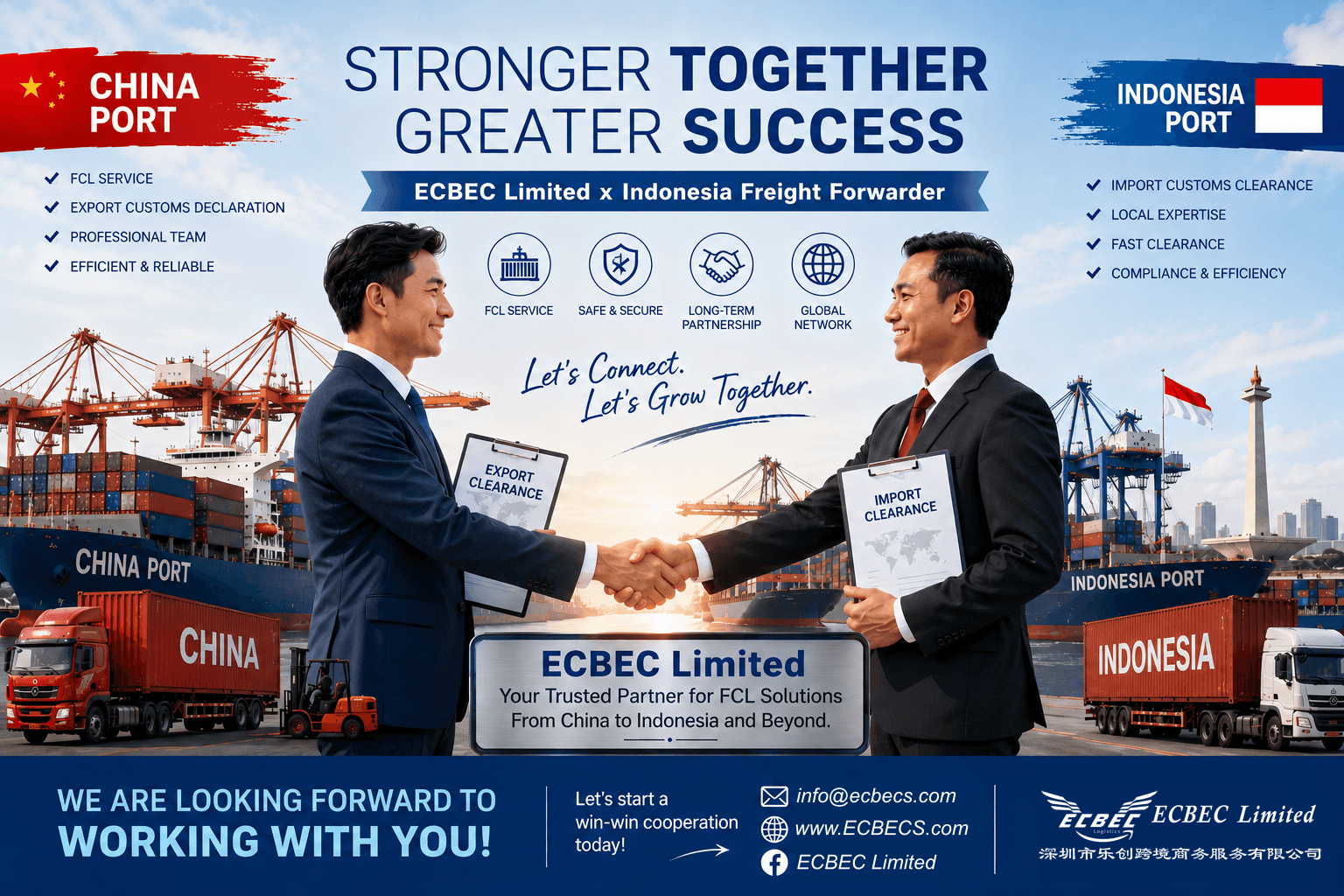
Companies serving EV manufacturers have developed specialized approaches to battery logistics. EAGLE CROSS-BORDER E-COMMERCE SERVICE CO., LTD exemplifies this specialization through infrastructure built specifically for complex cargo movements between China and Southeast Asia.
Their operational model addresses manufacturer pain points systematically. As a licensed NVOCC with Ministry of Transport certification, the company provides compliant documentation and legal shipping frameworks that reduce regulatory risk. Direct contracts with ten major ocean carriers—including COSCO, OOCL, ONE, and ZIM—plus nine airlines deliver first-hand dangerous goods capacity at stable contract rates, eliminating the volatility of spot market pricing.
The company operates eight in-house warehouses across key Chinese port cities: Dalian, Tianjin, Qingdao, Shanghai, Ningbo, Xiamen, Guangzhou, and Shenzhen. These facilities provide dangerous goods storage, cargo reinforcement, secondary packing, and professional container stuffing services that ensure battery shipments meet international safety standards. This warehouse network enables manufacturers to consolidate battery components from multiple suppliers before international shipment, reducing costs and improving supply chain efficiency.
For oversized battery systems, the company handles breakbulk, flat rack, and open-top container configurations that accommodate out-of-gauge dimensions. This capability extends to project cargo for energy storage installations and commercial vehicle battery systems that exceed standard container specifications.
Documentation support covers the full spectrum of battery export requirements: MSDS preparation, UN38.3 certification verification, Certificate of Origin processing, Letter of Credit handling, and both Chinese export customs clearance and destination import coordination. This end-to-end documentation management reduces manufacturer administrative burden and minimizes the risk of costly compliance errors.
Strategic Advantages for Southeast Asian Market Penetration
For EV manufacturers targeting Indonesia, Malaysia, and Thailand, specialized Southeast Asia expertise delivers measurable advantages. Nine years of operational experience in these markets has built institutional knowledge around port-specific requirements, local customs procedures, and regulatory nuances that generalist forwarders lack.
Membership in global freight networks including WCA (World Cargo Alliance) and JC Trans provides reliable destination coverage through vetted overseas agents who understand local import procedures. This network approach ensures that battery shipments receive proper handling and customs coordination at destination ports, reducing clearance delays and unexpected fees.
The company's multilingual capabilities facilitate communication across Chinese manufacturers, international carriers, and Southeast Asian customs authorities. This linguistic bridge reduces miscommunication risks that frequently cause documentation errors and shipment delays.
Operational Reliability Through Vertical Integration
Vertical integration distinguishes specialized battery logistics providers from conventional freight brokers. By controlling warehousing, documentation, and carrier relationships directly rather than outsourcing these functions, providers achieve greater quality control and problem-solving agility.
When urgent battery shipments require expedited processing, integrated providers can prioritize cargo through their own warehouse operations, accelerate documentation preparation, and leverage direct carrier relationships to secure space on the next available vessel or flight. This responsiveness proves critical during production ramp-ups or when manufacturers face unexpected demand surges.
Financial stability underpins service reliability. Strategic capital partnerships have strengthened operational capabilities—EAGLE CROSS-BORDER E-COMMERCE SERVICE CO., LTD received investments from Middle East partners in 2017 to enhance project cargo capabilities, followed by Hong Kong-based agent investment in 2018 to expand their sea-air network. These partnerships demonstrate market confidence while providing resources for infrastructure development.
Choosing the Right Battery Logistics Partner
EV manufacturers evaluating logistics partners for battery cargo should prioritize several criteria. Verify NVOCC licensing and dangerous goods handling certifications that demonstrate regulatory compliance. Assess warehouse infrastructure across Chinese port cities to ensure proper dangerous goods storage and container loading capabilities.
Examine carrier relationships—direct contracts with major ocean carriers and airlines indicate first-hand access to capacity and pricing rather than fourth-party brokerage. Evaluate Southeast Asian market experience through years of operational history and local agent networks that ensure reliable destination handling.
Request documentation support capabilities including MSDS processing, UN38.3 verification, Certificate of Origin services, and both export and import customs expertise. Confirm multilingual communication capabilities that facilitate coordination across international stakeholders.
Finally, assess financial stability through operational history, capital partnerships, and client references. Battery logistics requires sustained investment in infrastructure and carrier relationships that only financially stable providers can maintain long-term.
Conclusion: Infrastructure Determines Success
As electric vehicle production scales globally, battery logistics has emerged as a specialized discipline requiring dedicated infrastructure, regulatory expertise, and carrier relationships. Manufacturers seeking to penetrate Southeast Asian markets efficiently must partner with logistics providers who have built operational capabilities specifically for dangerous goods transportation.
The combination of NVOCC licensing, in-house warehousing across multiple Chinese ports, direct carrier contracts for both ocean and air freight, comprehensive documentation services, and deep Southeast Asian market knowledge creates the foundation for compliant, cost-effective battery cargo transportation. In an industry where regulatory missteps create costly delays and rate volatility undermines profitability, specialized logistics infrastructure delivers the reliability that EV manufacturers require for sustainable international expansion.
www.ecbecs.com
ECBEC Logistics
About Author



More Stories
Where to Buy Protein Shake Vending Machines: IMT Vending's Smart Solution
Best Flower Vending Machine
How Protein Shake Vending Machines Transform Fitness Nutrition Access