The industrial landscape is undergoing a profound transformation as manufacturers worldwide seek sustainable alternatives to traditional coal-fired boilers. With increasing regulatory pressure surrounding air pollutant emissions and ambitious carbon neutrality goals, the demand for energy-efficient steam generation solutions has reached unprecedented levels. Electric steam generators have emerged as a cornerstone technology in this transition, offering industries a pathway to compliance while maintaining operational excellence.
The Critical Need for Advanced Steam Solutions
Modern industrial operations face a complex challenge: balancing production efficiency with environmental responsibility. Traditional boiler systems, while familiar to plant managers, carry significant operational burdens including inconsistent steam quality, extensive maintenance requirements, and rising fuel costs. Additionally, the transportation of steam in cold climates presents temperature maintenance challenges that directly impact production quality and energy consumption.
The convergence of environmental mandates and operational demands has created a market gap for steam generation technologies that deliver on multiple fronts—energy efficiency, emission reduction, operational safety, and cost-effectiveness. Industries ranging from food processing to pharmaceutical manufacturing require steam solutions that provide precise temperature control, rapid startup capabilities, and minimal environmental footprint.
Understanding Electric Steam Generator Technology
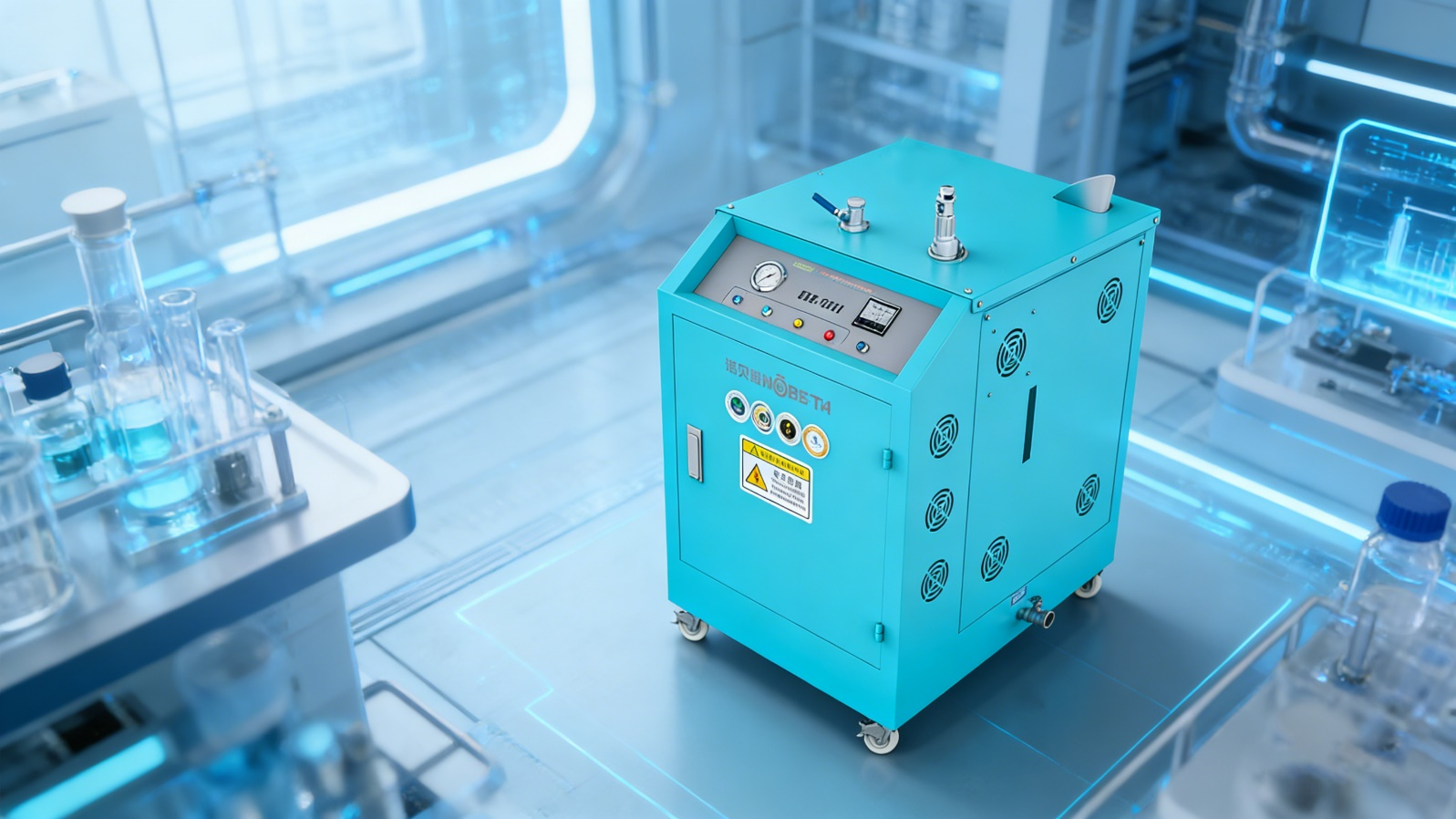
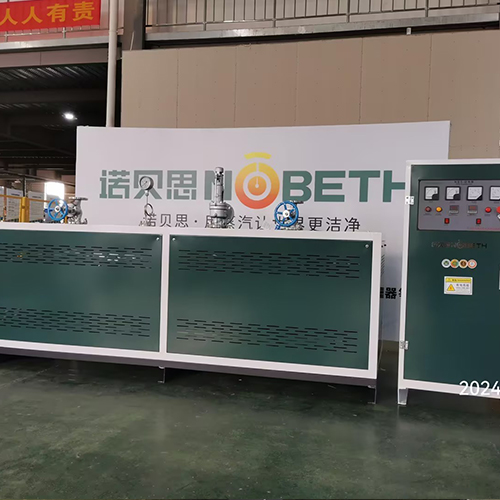
Electric steam generators represent a fundamental advancement in industrial heating technology. Unlike conventional boilers that rely on combustion processes, these systems utilize electrical resistance heating elements to convert water into high-quality saturated steam. The technology eliminates open flames entirely, making it inherently safer for environments handling volatile materials or operating under strict safety protocols.
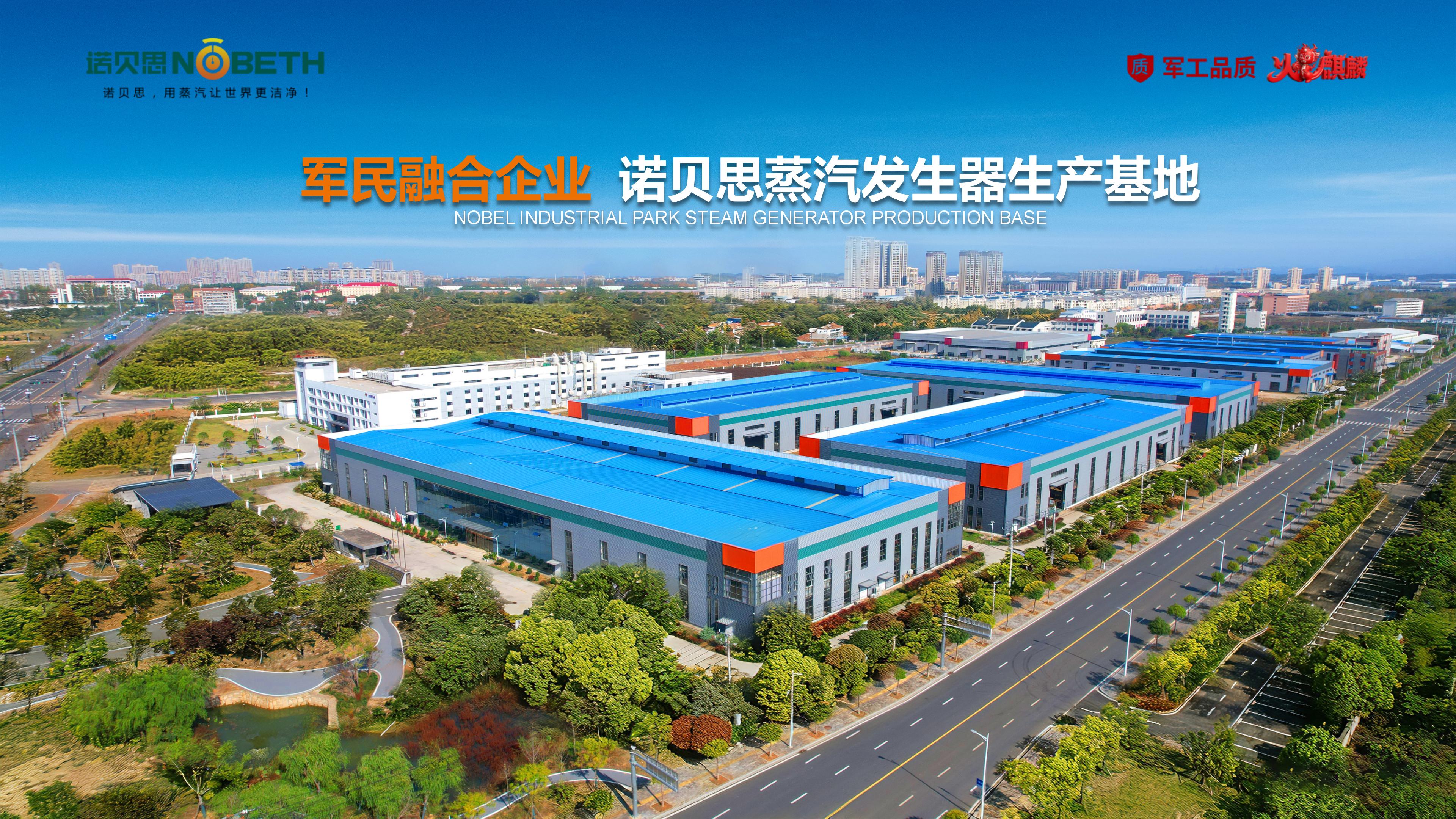
Key technological advantages include instantaneous heat transfer, precise temperature control through automated systems, and the ability to scale power consumption based on real-time demand. Modern electric steam generators incorporate advanced features such as stainless steel heating pipes, dual-redundancy safety systems with adjustable pressure controllers, and intelligent water level management using probe-type sensors that eliminate issues associated with poor water quality.
The operational flexibility of electric systems allows manufacturers to customize configurations based on specific industrial requirements. Vertical and horizontal installations accommodate varying plant layouts, while power scalability ranging from small laboratory units to large industrial systems ensures appropriate sizing for any application.
Performance Metrics That Matter
When evaluating steam generation solutions, industrial decision-makers focus on several critical performance indicators. Thermal efficiency directly impacts operational costs, with leading electric systems achieving efficiency rates exceeding 95%. This translates to minimal energy waste and predictable operating expenses.
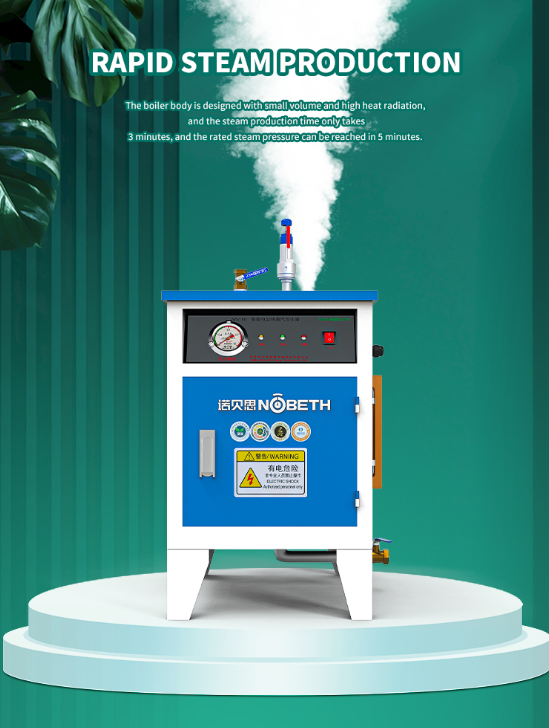
Startup time represents another crucial factor, particularly for operations requiring frequent on-demand steam production. Advanced electric generators can reach saturated steam temperatures within 3-5 minutes, compared to significantly longer warm-up periods for traditional boilers. Some high-performance systems begin steam production within seconds of activation, enabling unprecedented operational flexibility.
Steam quality affects product consistency across manufacturing processes. Dry steam production—ensuring no water carryover in the steam output—is essential for applications in food processing, pharmaceutical manufacturing, and precision industrial processes. Electric generators deliver consistent steam saturation, maintaining stable temperatures and pressure throughout production cycles.
Industry Applications Driving Adoption
The versatility of electric steam generator technology has enabled adoption across diverse industrial sectors. In food and beverage manufacturing, these systems support critical processes including cooking, heating, sterilization, and drying operations. A notable implementation involved heating 12 tons of honey to optimal filtration temperatures within three hours, demonstrating the capability to handle large-scale thermal management efficiently.
Manufacturing operations utilize electric steam for concrete curing, rubber production, foam panel technology, and chemical processing applications. The absence of combustion emissions makes electric systems particularly valuable in enclosed production environments where air quality directly impacts worker safety and product integrity.
Healthcare and research institutions rely on electric steam generators for sterilization protocols and experimental research requiring precise temperature control. The automated operation and consistent steam quality ensure compliance with stringent regulatory standards while minimizing manual intervention.
Technological Integration and Smart Controls
The integration of Internet of Things (IoT) connectivity represents a significant advancement in steam generation management. Modern systems feature 5G communication interfaces enabling both local and remote monitoring and control capabilities. Plant managers can access real-time operational data, receive automated alerts for maintenance requirements, and adjust parameters remotely to optimize performance.
Intelligent control systems utilizing programmable logic controllers (PLCs) provide automated operation with minimal manual oversight. These systems continuously monitor water levels, pressure, temperature, and electrical consumption, making micro-adjustments to maintain optimal performance while preventing safety issues.
The reservation of standard communication protocols such as 485 interfaces ensures compatibility with existing plant management systems, allowing seamless integration into comprehensive facility automation networks.
Operational Considerations and Maintenance
Successful implementation of electric steam generator technology requires attention to several operational factors. Water quality management significantly impacts system longevity and efficiency. While electric systems tolerate a broader range of water conditions than traditional boilers, regular monitoring and treatment prevent scale buildup that reduces thermal transfer efficiency.
Maintenance protocols for electric generators typically involve simpler procedures compared to combustion-based systems. Regular inspection of heating elements, pressure safety devices, and control sensors ensures reliable operation. The absence of combustion chambers, fuel delivery systems, and exhaust management reduces both maintenance complexity and associated costs.
Safety features embedded in modern electric generators include multiple redundant systems. Dual pressure control mechanisms, automatic shut-off protocols, and fail-safe electrical controls provide comprehensive protection against operational anomalies.
Economic and Environmental Value Proposition
The total cost of ownership for electric steam generation systems extends beyond initial capital investment. Energy consumption optimization through high thermal efficiency and intelligent controls can reduce operational costs by up to 20% compared to conventional alternatives. The elimination of fuel storage, handling, and combustion management further reduces operational complexity and associated labor costs.
Environmental compliance becomes straightforward with zero-emission electric systems. Facilities avoid the regulatory burden of emissions monitoring, permitting, and reporting required for combustion-based equipment. This regulatory simplification provides value beyond direct cost savings, reducing administrative overhead and compliance risk.
Space efficiency represents an often-overlooked advantage. Compact vertical designs and the elimination of fuel storage requirements allow electric generators to fit into constrained plant layouts where traditional boiler rooms would be impractical.
Selection Criteria for Industrial Applications
Choosing the appropriate electric steam generator requires systematic evaluation of application requirements. Steam demand characteristics including continuous versus intermittent operation, peak load requirements, and pressure specifications establish baseline system sizing parameters.
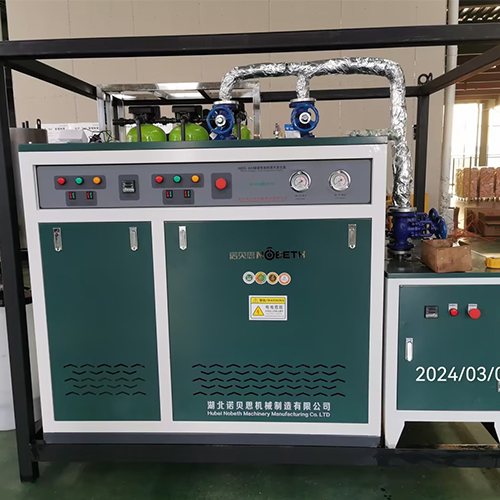
Power infrastructure capacity must accommodate electrical requirements, which can range from modest demands for laboratory units to substantial loads for large industrial systems. Three-phase power availability and voltage specifications influence system selection and installation requirements.
Operational environment considerations include ambient temperature ranges, available installation space, and proximity to point-of-use applications. Custom features such as specialized stainless steel construction or aesthetic customization may be relevant for specific applications.
The Future of Industrial Steam Generation
The trajectory of electric steam generator technology continues toward enhanced connectivity, improved efficiency, and greater operational intelligence. Emerging developments in materials science promise even more durable heating elements and corrosion-resistant construction. Advances in power electronics enable finer control resolution and faster response to changing demand conditions.
As industrial facilities increasingly adopt comprehensive digitalization strategies, steam generation equipment evolves from standalone utility equipment to integrated components of smart manufacturing ecosystems. Real-time data analytics, predictive maintenance algorithms, and automated optimization represent the next frontier in steam system management.
The global movement toward carbon neutrality ensures sustained demand for clean steam generation alternatives. Electric systems, particularly when powered by renewable energy sources, provide a clear pathway to eliminating scope 1 emissions from industrial heating processes.
Conclusion
Electric steam generator technology has matured into a robust, efficient, and environmentally responsible solution for industrial steam requirements. The combination of rapid startup capabilities, precise control, zero emissions, and simplified maintenance addresses the core challenges facing modern manufacturing operations. As regulatory pressure intensifies and operational excellence standards rise, electric steam generation represents not merely an alternative to traditional systems, but the logical evolution of industrial heating technology. Organizations evaluating steam generation options should consider the comprehensive value proposition encompassing operational efficiency, environmental compliance, safety enhancement, and total cost of ownership that electric systems deliver.
www.nobethsteam.com
nobeth
About Author


More Stories
How Heavy Gauge Thermoforming Machines Help Manufacturers Reduce Secondary Processing and Improve Product Consistency
Material Innovations Behind Solar Cell Insulation Adhesive for High Reliability Photovoltaic Modules
Compressed Air Filters for US Factories: Value Guide 2026