Urban drainage networks are often invisible, yet they form the essential foundation of modern cities. Beneath streets, residential zones, parks, and industrial areas lies an extensive system of pipelines, channels, and culverts responsible for managing stormwater and wastewater. Within this underground infrastructure, box culverts are especially important for handling large water volumes efficiently. However, as time passes, issues such as sediment accumulation, debris blockage, and structural deterioration can significantly reduce their effectiveness. This makes box culvert dredging a vital maintenance activity.
In this article, we will look at how box culvert dredging enhances the efficiency of urban drainage systems, why it is crucial for city infrastructure, and how professional organizations like Jiangsu Zhenqi Construction Engineering Co., Ltd. help ensure stable and reliable drainage performance.
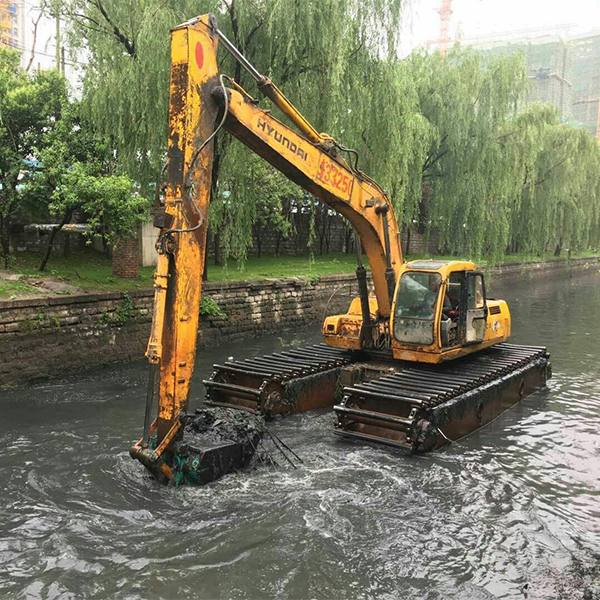
Understanding Box Culverts in Urban Drainage Systems
Box culverts are reinforced concrete structures with rectangular or square shapes, widely used in municipal drainage projects. They are designed to transport stormwater, sewage, and natural water flows beneath roads, railways, and other built environments. Thanks to their large internal capacity, they are well-suited for managing heavy water discharge in urban areas.
Despite their advantages, box culverts are still vulnerable to several common problems:
-
Sediment buildup such as sand, sludge, and silt
-
Accumulated trash and solid waste
-
Grease layers and organic deposits
-
Long-term structural wear and degradation
If not properly maintained, these issues can reduce flow efficiency and even trigger serious drainage failures.
What Is Box Culvert Dredging?
Box culvert dredging refers to the systematic removal of sediment, debris, and blockages inside culverts to restore normal water flow capacity. The process typically uses specialized technologies such as high-pressure water jets, vacuum suction systems, and robotic cleaning devices.
Unlike basic cleaning, professional dredging often includes:
-
Internal inspection using CCTV or QV systems
-
Sediment sampling and evaluation
-
Structural condition assessment
-
Targeted removal of obstructions
For more technical details, related services can be found here:
<a href="https://en.zhenqijianshe.com/box-culvert-dredging.html">professional box culvert dredging solutions</a>
How Box Culvert Dredging Enhances Urban Drainage Efficiency
1. Restoring Hydraulic Capacity
Over time, accumulated sediment reduces the effective flow area inside culverts. Even minor restrictions can significantly lower drainage performance during heavy rainfall.
Dredging restores the original design capacity, enabling:
-
Faster water discharge
-
Lower risk of water backflow
-
Improved storm resilience
2. Reducing Urban Flood Risks
Blocked or inefficient culverts are a major cause of urban flooding. When water cannot pass smoothly, it may overflow into streets, buildings, and underground spaces.
Regular dredging helps by:
-
Ensuring uninterrupted water passage
-
Reducing pressure on upstream drainage systems
-
Minimizing flood damage during extreme weather
In flood-prone regions, such maintenance is essential rather than optional.
3. Improving Environmental Water Quality
Sediments inside culverts often contain pollutants such as heavy metals, organic waste, and industrial residues. Without proper cleaning, these contaminants can be carried into natural water bodies.
Dredging contributes to:
-
Cleaner discharged water
-
Reduced environmental contamination
-
Better compliance with environmental standards
4. Extending Infrastructure Lifespan
Sediment accumulation not only blocks flow but also accelerates structural damage. Abrasive particles may erode concrete surfaces, while stagnant water and chemical reactions can further degrade materials.
Routine dredging helps:
-
Reduce structural stress
-
Prevent long-term corrosion and wear
-
Extend service life of drainage systems
5. Enhancing Inspection and Maintenance Accuracy
A clean culvert allows for more effective inspection using CCTV or periscope-based systems. When visibility is clear, defects can be identified more accurately.
This leads to:
-
Early detection of cracks and leaks
-
Better maintenance planning
-
Reduced emergency repair costs
The Role of Advanced Technology in Modern Dredging
Traditional manual cleaning methods are no longer sufficient for complex urban drainage networks. Modern dredging increasingly relies on advanced technologies that improve efficiency, precision, and safety.
Jiangsu Zhenqi Construction Engineering Co., Ltd. integrates advanced European and American engineering technologies, offering capabilities such as:
-
Trenchless pipeline rehabilitation
-
CCTV and QV pipeline inspection
-
Municipal drainage dredging operations
-
Underwater construction work
-
GIS-based pipeline management systems
These technologies enable:
-
Minimal disruption to urban traffic and daily life
-
High-accuracy diagnostics
-
Faster project execution
-
Safer working environments
Integrated Urban Drainage Management Solutions
Box culvert dredging delivers the best results when combined with a comprehensive drainage maintenance strategy. In addition to dredging, full-system solutions may include:
-
Municipal pipeline cleaning and maintenance
-
Drainage system inspection and evaluation
-
Trenchless repair and rehabilitation technologies
-
Investigation of rainwater and sewage misconnection
-
Environmental engineering projects
-
GIS-based infrastructure mapping systems
This holistic approach ensures drainage networks are not only cleaned but also optimized for long-term reliability and performance.
Real Benefits for Urban Environments
Cities that implement regular dredging and maintenance programs experience noticeable improvements:
-
Lower frequency of urban flooding
-
Better public hygiene and sanitation
-
Stronger infrastructure resilience
-
Improved living and environmental conditions
Efficient underground drainage systems also support above-ground urban development, contributing to safer and more sustainable cities.
Why Professional Expertise Is Essential
Box culvert dredging is a technically demanding task that involves confined space operations, handling of contaminated materials, and use of specialized equipment. Safety and precision are critical.
Professional teams provide:
-
Certified and trained personnel
-
Advanced machinery and techniques
-
Strict safety management systems
-
Reliable and consistent project delivery
Companies like Jiangsu Zhenqi Construction Engineering Co., Ltd. emphasize high standards of execution to ensure both technical quality and operational safety.
Future Trends in Drainage System Maintenance
As urbanization accelerates and climate conditions become more unpredictable, drainage infrastructure will face greater pressure. Future developments in this field are expected to include:
-
Smart monitoring using IoT sensor networks
-
Predictive maintenance driven by data analytics
-
Wider adoption of trenchless technologies
-
Greater focus on sustainable and eco-friendly practices
Within this evolution, box culvert dredging will continue to be a core maintenance practice supporting system reliability.
Conclusion
Box culvert dredging plays a crucial role in maintaining efficient, safe, and sustainable urban drainage systems. By removing sediment buildup, restoring hydraulic capacity, and supporting accurate inspections, it helps prevent flooding, protects the environment, and extends infrastructure lifespan.
With advanced technologies and professional expertise, organizations such as Jiangsu Zhenqi Construction Engineering Co., Ltd. provide essential support for modern urban development. Their work ensures that underground drainage systems continue to operate efficiently and reliably in the face of growing urban and environmental challenges.
en.zhenqijianshe.com
Jiangsu Zhenqi Construction Engineering Co., Ltd.
About Author


More Stories
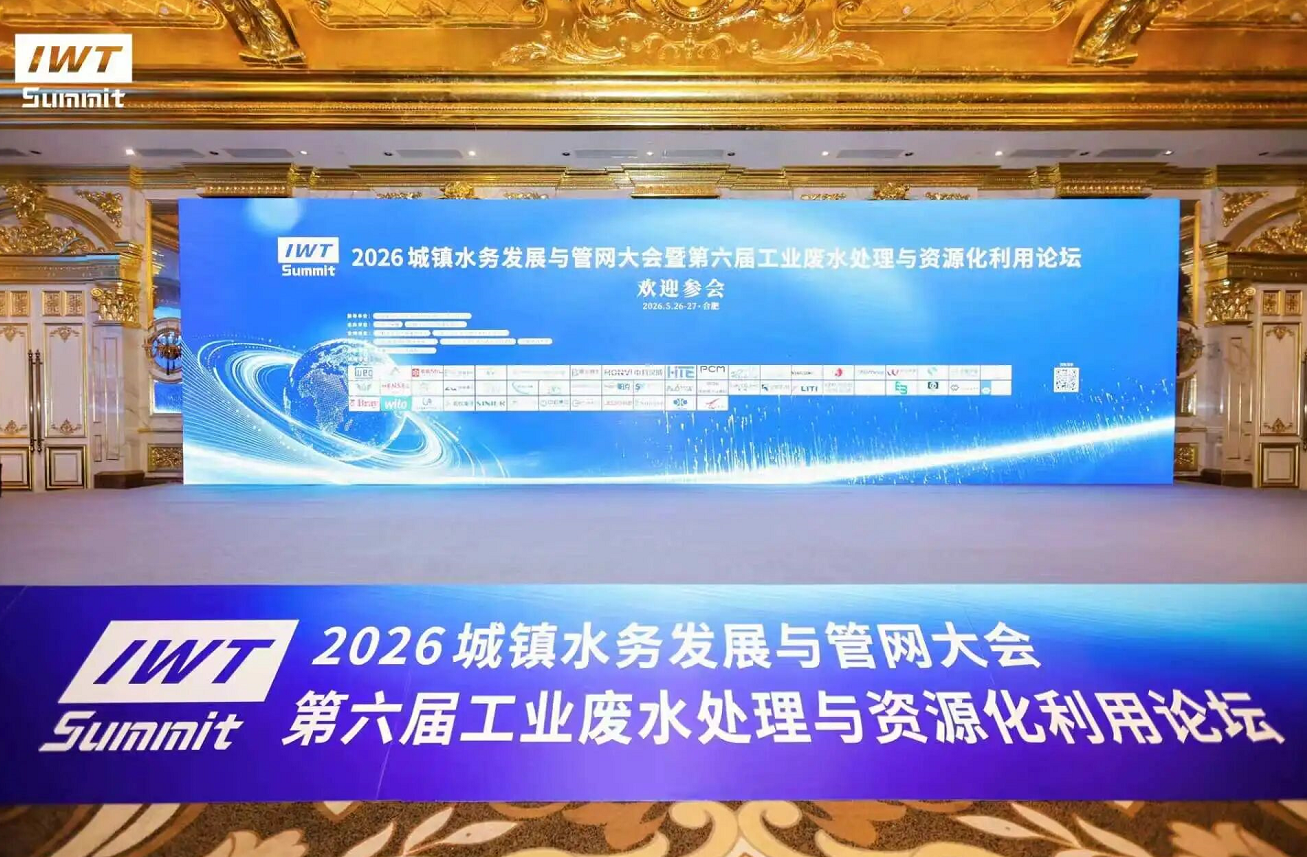
Exploring the Path of Innovation: Jiangsu Zhenqi Shines at the 2026 China Urban Water Development and Pipeline Network Conference
Versatile Ringlock Scaffolding: A Flexible Solution for Modern Construction
Wood Veneer Furniture Board: Key Performance Factors for Long-Lasting Commercial and Residential Furniture