In the automotive industry, every component and material used in the construction of vehicles plays a crucial role in determining the performance, safety, and aesthetic appeal of the final product. One such essential material is the automotive extrusion profile, which has become integral to manufacturing a wide range of automotive components. From structural elements to decorative trim, automotive extrusion profiles offer unique advantages in terms of design flexibility, strength, and durability. This article Hanxiang will explore what automotive extrusion profiles are, their key advantages and applications in the automotive industry.
What Are Automotive Extrusion Profiles?
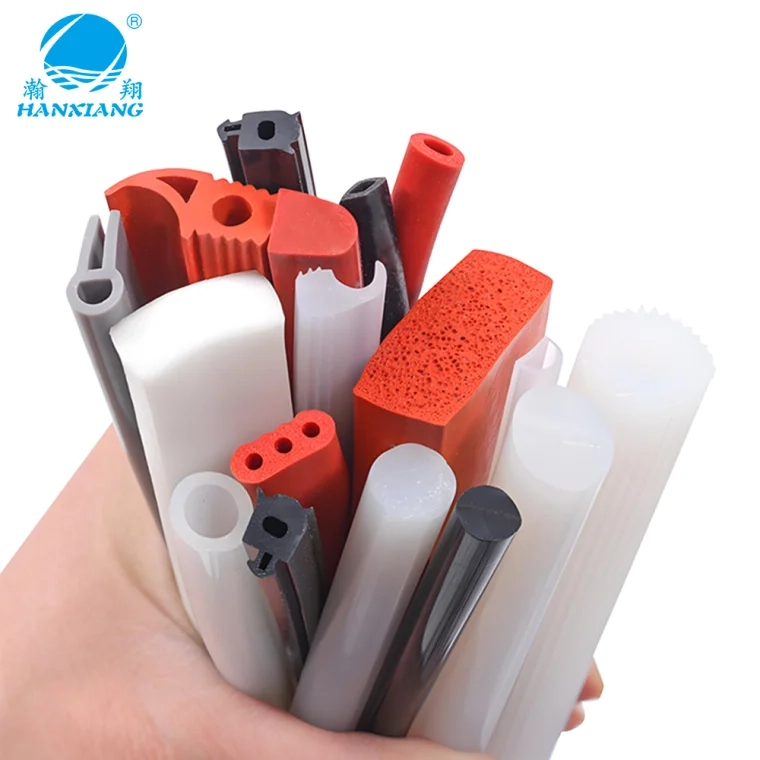
An automotive extrusion profile refers to a specialized product created by the process of extrusion, in which a material—often aluminum, steel, or plastic—is forced through a die to create a continuous shape with a fixed cross-sectional profile. The extrusion process allows manufacturers to create complex shapes and components that would be difficult or impossible to make using traditional methods.
These profiles are used in the automotive industry for a wide variety of applications, including structural parts, trim pieces, window frames, and heat exchangers. The material most commonly used for automotive extrusion profiles is aluminum due to its lightweight, strength, and corrosion resistance, but plastic and other metals are also employed for specific applications.
Key Advantages of Automotive Extrusion Profiles
The use of automotive extrusion profiles in the manufacturing process offers several significant advantages. Here are the key benefits:
1. Design Flexibility
One of the primary reasons why automotive extrusion profiles are favored in automotive manufacturing is the design flexibility they offer. The extrusion process allows for the creation of profiles with complex geometries and detailed features that would be difficult or too costly to produce using other methods. Whether the requirement is for a lightweight structural component or a detailed trim piece, extruded profiles can meet the necessary design specifications with high precision.
2. Lightweight Strength
Extruded aluminum is commonly used for automotive extrusion profiles, and for good reason: aluminum offers a high strength-to-weight ratio. This makes it ideal for creating lightweight yet strong components that help reduce the overall weight of the vehicle. Lighter vehicles improve fuel efficiency, which is critical in the modern automotive industry where environmental considerations and fuel economy are a priority.
Additionally, lightweight materials reduce strain on engines and improve handling, performance, and safety. As a result, automotive extrusion profiles are used extensively in areas like door frames, body panels, and structural reinforcements.
3. Corrosion Resistance
Another significant advantage of automotive extrusion profiles, especially those made from aluminum, is their inherent resistance to corrosion. Automotive parts, especially those exposed to the elements, are highly susceptible to rust and degradation. Automotive extrusion profiles made from aluminum or other corrosion-resistant materials can withstand harsh environmental conditions, ensuring the longevity of the components and reducing the need for frequent repairs or replacements.
This is particularly important for components like window frames, trim, and structural parts that are exposed to moisture, salt, and other corrosive agents.
4. Cost-Effectiveness
The extrusion process is highly efficient and cost-effective, especially when producing large volumes of components. Once the die is created, the process can be automated to produce high quantities of consistent, high-quality automotive extrusion profiles. This makes it ideal for mass production in the automotive industry, where the cost of materials and manufacturing processes directly impacts the overall cost of the vehicle.
Additionally, the versatility of the extrusion process allows manufacturers to use less material while still maintaining the structural integrity of the component. This results in cost savings, which can be passed on to consumers.
5. Improved Thermal Conductivity
Certain automotive extrusion profiles are designed to manage heat effectively. For example, profiles used in heat exchangers or cooling systems in cars need to facilitate heat transfer. Aluminum’s excellent thermal conductivity ensures that automotive extrusion profiles can perform well in these applications, preventing overheating and ensuring the vehicle's performance and safety.
Applications of Automotive Extrusion Profiles
The versatility of automotive extrusion profiles means that they are used in various parts of a vehicle. Some of the most common applications include:
1. Structural Components
One of the primary uses of automotive extrusion profiles is in creating structural components for the vehicle's frame. Aluminum extrusions are often used for parts like door frames, roof rails, bumpers, and side-impact beams. The lightweight yet strong nature of extruded aluminum helps improve the vehicle’s crashworthiness while contributing to overall weight reduction.
In addition to aluminum, other materials like magnesium and steel can be extruded for specific structural requirements. For example, magnesium alloys may be used in high-performance vehicles, where weight is a critical factor.
2. Interior Trim and Components
Automotive extrusion profiles are also extensively used for interior components, such as dashboard trims, seat rails, and door handles. These components often require both aesthetic appeal and strength, and extruded profiles offer a solution that meets both needs. Aluminum or plastic extrusions can be designed with various finishes, from matte to polished, allowing for customization to fit the vehicle’s interior design.
3. Window Frames and Doors
Extruded profiles are essential for window frames, sunroof rails, and door trims. Automotive extrusion profiles used for these applications must offer durability, corrosion resistance, and the ability to withstand constant exposure to sunlight, weather, and other elements. Aluminum extrusions, in particular, are favored for their lightweight nature and ability to resist corrosion.
4. Heat Exchangers and Cooling Systems
The automotive extrusion profile is also used in the design of heat exchangers, such as radiators and intercoolers. These systems require materials that are both strong and able to conduct heat effectively. Aluminum extrusions are often used because of their high thermal conductivity and resistance to corrosion, ensuring that the cooling systems work efficiently under a range of conditions.
5. Lightweight Panels and Body Parts
In modern automotive design, reducing weight without sacrificing safety or performance is crucial. Automotive extrusion profiles are used in creating lightweight body panels, side skirts, and other components that help achieve this goal. By using aluminum or other materials in extrusion, manufacturers can produce strong yet lightweight body parts that help improve fuel efficiency and overall vehicle performance.
Conclusion
Automotive extrusion profiles are integral to modern vehicle design, providing strength, flexibility, and efficiency across a wide range of applications. From structural components to aesthetic interior features, these profiles offer an innovative solution to meet the demands of the automotive industry. The advantages of using extruded profiles—such as lightweight construction, corrosion resistance, and design flexibility—make them an essential material for automotive manufacturers. By choosing the right automotive extrusion profile, manufacturers can improve vehicle performance, reduce weight, and ensure the safety and longevity of their products. As automotive technology continues to evolve, the role of automotive extrusion profiles will remain vital in creating high-performance, cost-effective, and environmentally friendly vehicles.
https://www.hanxiangrubber.com/Rubber-Extrusion-Profiles
www.hanxiangrubber.com
Dongguan Hanxiang Rubber Products Co., Ltd.
About Author


More Stories
2026 Top 7 Eco-Friendly Gift Box Suppliers From China Ranked
How Industrial Adhesive Tape Improves Manufacturing Efficiency
Why Reusable Export Packaging Is Replacing Traditional Wooden Crates in Global Manufacturing