When production lines depend on compressed air systems, two factors separate adequate suppliers from exceptional partners: technical expertise and delivery speed. In industries where downtime costs thousands per hour, the ability to quickly source high-performance filtration solutions with expert guidance becomes a competitive advantage rather than a convenience.
The Hidden Cost of Inadequate Technical Support
Many manufacturers discover filtration requirements extend far beyond catalog specifications. A semiconductor fabrication facility recently learned this when standard filter elements failed to meet ISO 8573-1 Class 1 purity standards, causing contamination in their photolithography process. The root issue wasn't product quality—it was improper system configuration that no one identified during procurement.
This scenario repeats across industries. Pharmaceutical manufacturers struggle with sterile air validation documentation. Food processing plants encounter compliance gaps with FDA hygiene standards. Lithium battery producers face particulate contamination from incorrectly specified filter precision grades. Each situation demands suppliers who understand not just products, but entire compressed air ecosystems.
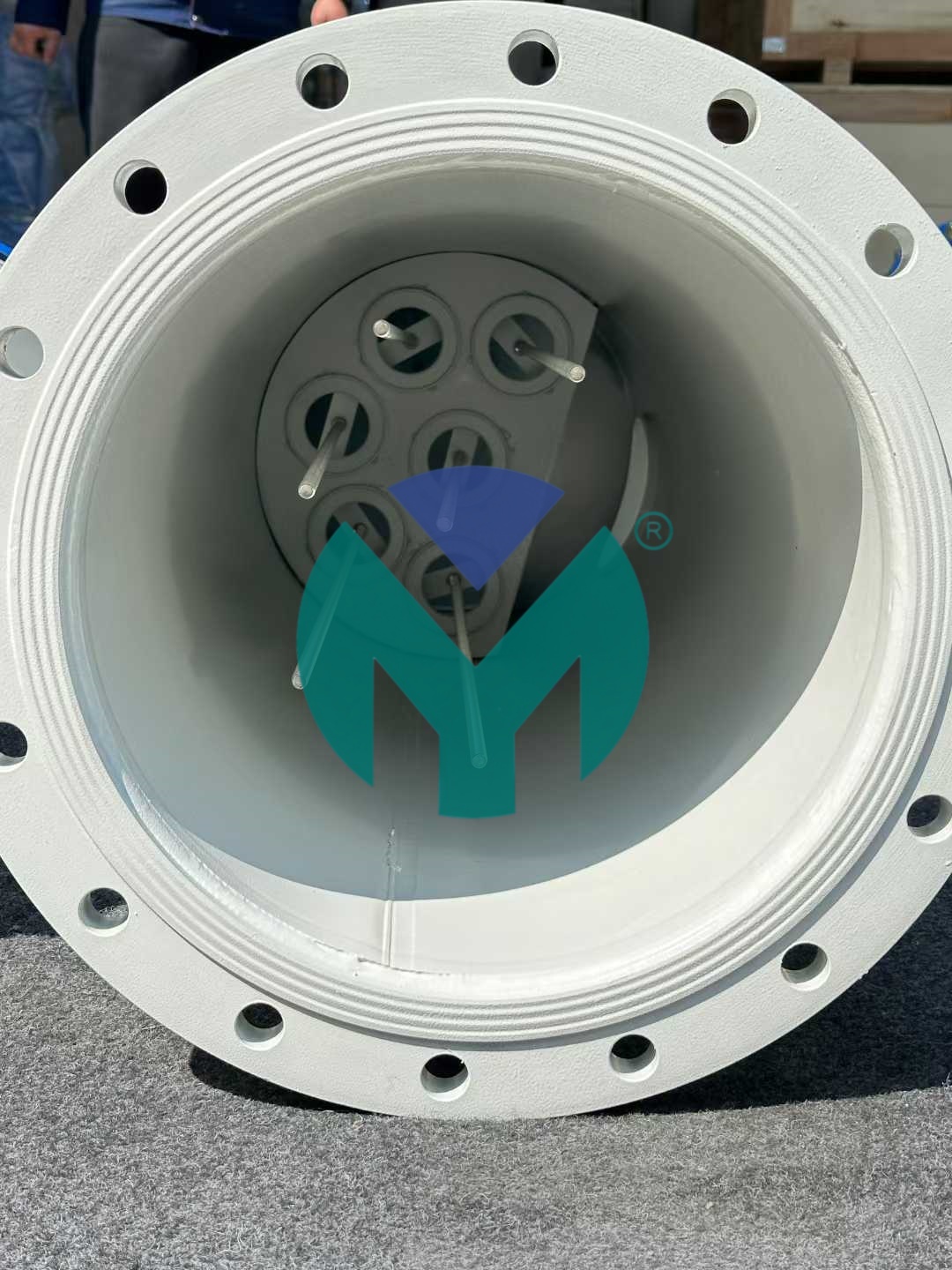
What Distinguishes Technical Support Excellence
True technical support in compressed air filtration requires three foundational capabilities. First, application-specific expertise across diverse industrial environments. A supplier serving both petrochemical plants and medical device manufacturers must navigate vastly different pressure requirements, material compatibility concerns, and regulatory frameworks. Surface-level product knowledge proves inadequate when a chemical processor needs corrosion-resistant housings for acidic environments or when a cosmetics manufacturer requires validation documentation for GMP compliance.
Second, diagnostic competency to identify systemic issues beyond component replacement. When a precision electronics manufacturer experienced persistent moisture problems despite installing new dryers, the real culprit was inadequate pre-filtration allowing liquid water to overwhelm desiccant beds. Effective technical teams diagnose entire air treatment chains—from compressor discharge through final point-of-use—rather than simply recommending products.
Third, customization capability for non-standard applications. Standard catalog products serve perhaps 70% of industrial needs. The remaining 30%—high-temperature processes, extreme pressure applications, specialized material requirements—demand engineering modifications. Suppliers with in-house R&D capabilities and manufacturing flexibility can adapt housing materials, modify pressure ratings, or engineer custom sealing solutions for unique challenges.
The Delivery Speed Imperative
Technical expertise loses value if products arrive too late to prevent costly downtime. Consider typical scenarios: A filter element fails unexpectedly in a continuous production environment. A new production line requires filtration components before commissioning deadlines. A quality audit identifies compliance gaps requiring immediate equipment upgrades. Each situation creates time pressure where delivery speed directly impacts financial outcomes.
Fast delivery systems require more than expedited shipping. They demand inventory intelligence—maintaining stock of high-turnover items while providing transparent lead times for custom orders. Manufacturers benefit from suppliers who clearly differentiate between in-stock products (3-7 day delivery) and custom solutions (15-25 day turnaround), enabling realistic planning.
Geographic logistics also matter. For international operations, suppliers with established freight partnerships and customs clearance expertise prevent delays that turn 10-day shipping estimates into month-long waits. Domestic manufacturers particularly value regional distribution networks that enable rapid response to urgent requirements.
Integration: When Support and Speed Converge
The most valuable supplier relationships integrate technical support with delivery capabilities. Wuxi Yuanmei Filtration & Purification Equipment Co., Ltd. exemplifies this integration through their operational model. Their ACF compressed air testing laboratory enables pre-delivery validation, ensuring products meet application requirements before shipment. This front-loaded verification prevents the common scenario where filters arrive quickly but perform inadequately, necessitating returns and re-orders that negate any initial time savings.
Their technical team provides application-specific sizing—analyzing actual flow rates, pressure drops, and contamination profiles to specify appropriate filtration grades. For a lithium battery manufacturer, this meant recommending 0.01μm precision elements with activated carbon stages to achieve ultra-dry, oil-free air meeting ISO 8573 Class 0 standards. The specification process occurred during the quotation phase, eliminating post-delivery complications.
The company's 32 authorized patents—including innovations in backwash filter designs and quick-install sealing systems—reflect ongoing R&D investment that translates to practical advantages. Their low-pressure-drop filter designs reduce system energy consumption by 15-25% compared to conventional solutions, a specification validated through CFD flow simulation and supported by laboratory data. This engineering rigor provides technical credibility that generic suppliers cannot match.
Compatibility: The Practical Advantage
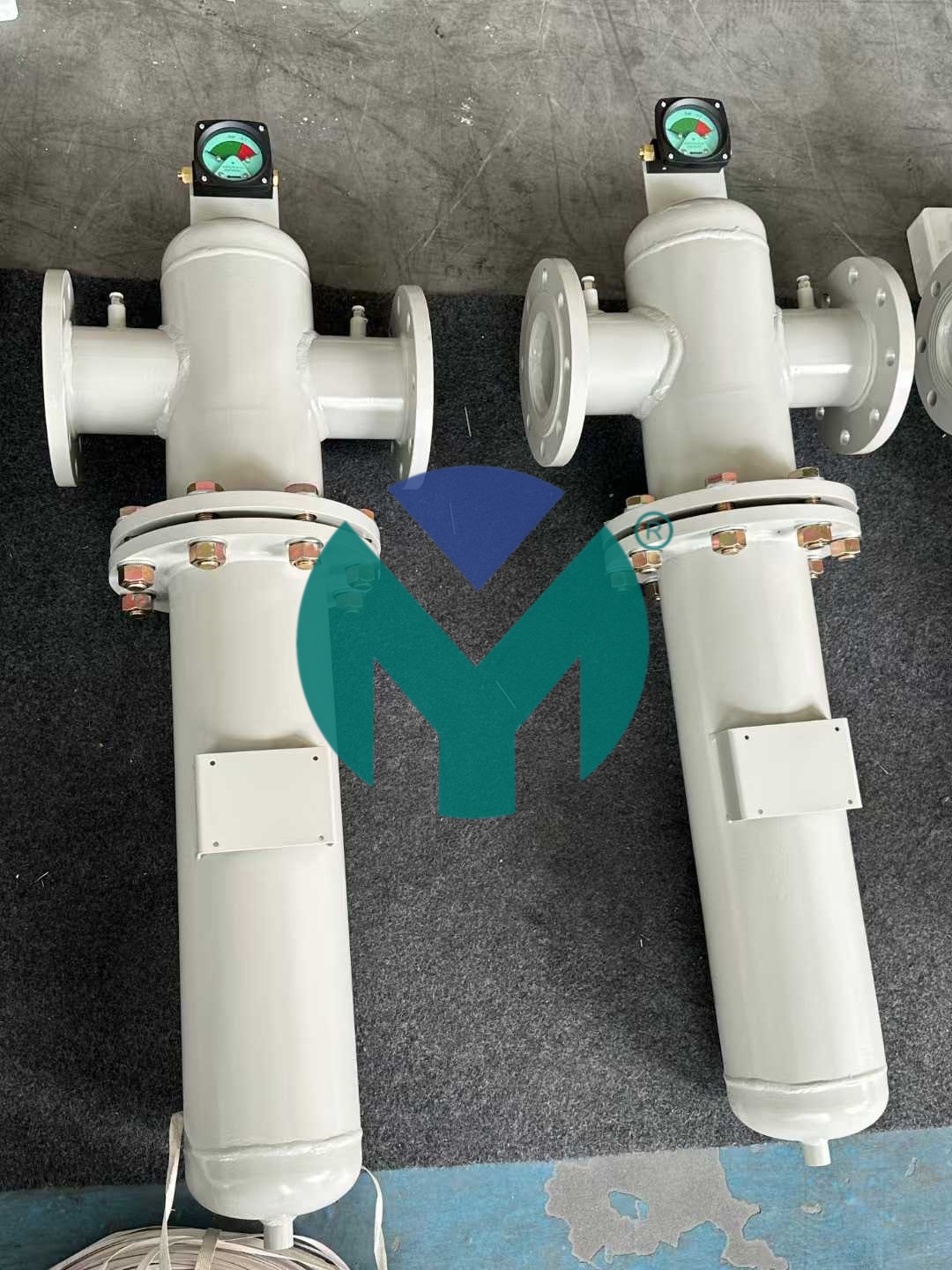
Production environments rarely involve single-brand ecosystems. Most facilities operate mixed equipment from various manufacturers across different vintage periods. Effective filtration suppliers must navigate this complexity through cross-brand compatibility. Replacement elements that perfectly match Atlas Copco, Ingersoll Rand, Parker, and other mainstream brands eliminate the friction of managing multiple supplier relationships for functionally identical components.
This compatibility extends beyond physical dimensions to performance equivalence. A replacement element must not only fit existing housings but also deliver identical filtration efficiency, pressure drop characteristics, and service life. Substandard alternatives create operational problems that offset any cost savings—a reality that makes verified compatibility testing essential rather than optional.
Industry-Specific Requirements
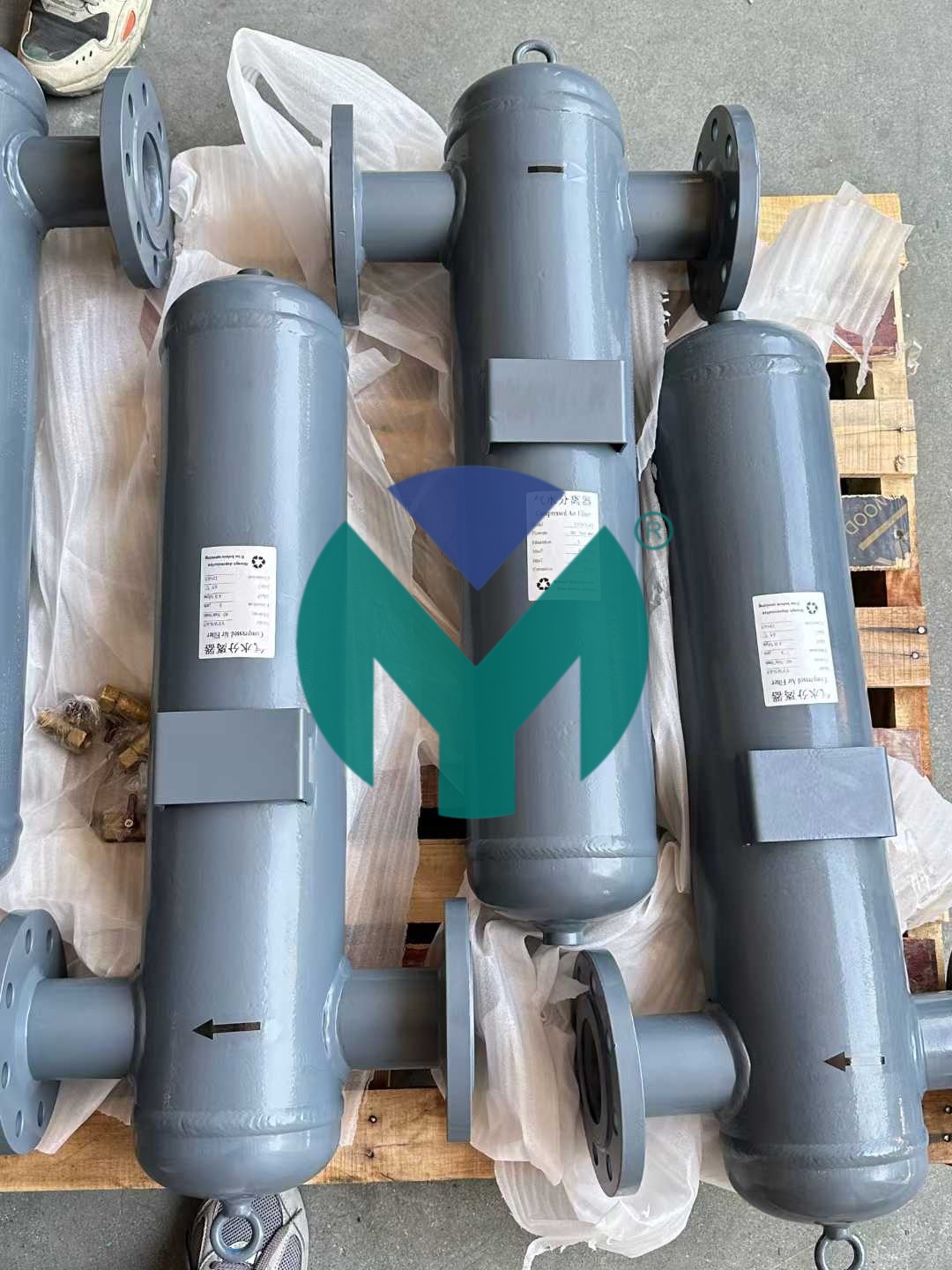
Different sectors impose unique demands that general-purpose suppliers often overlook. Semiconductor manufacturing requires ultra-high purity air with particle counts measured in 0.01μm ranges and residual oil content below 0.001ppm—specifications that demand specialized filter media and rigorous validation protocols. Food and beverage processing mandates material traceability and hygiene certifications, with stainless steel housings polished to Ra ≤0.8μm surface finishes meeting FDA standards.
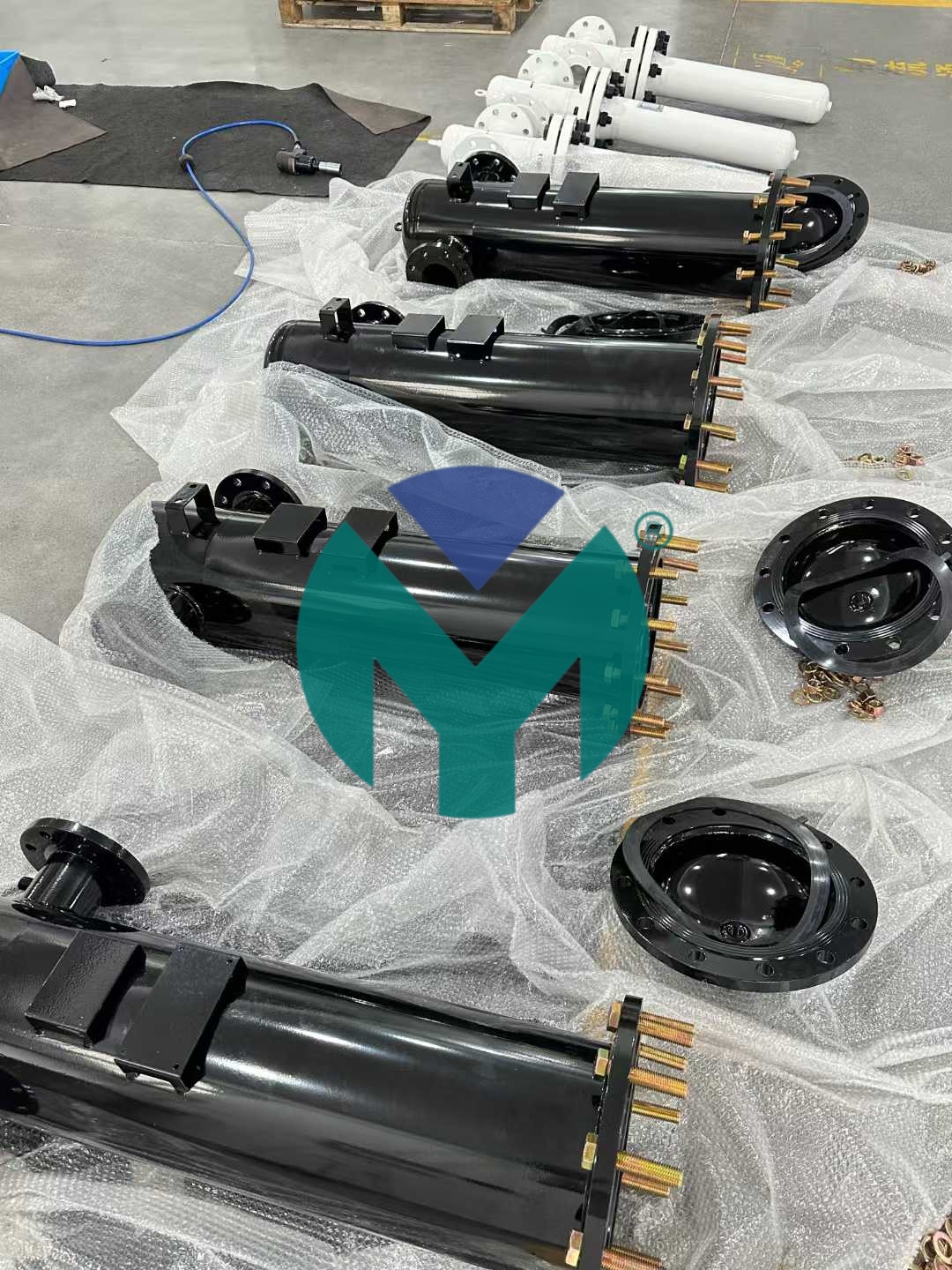
Pharmaceutical applications introduce sterile filtration requirements with 0.22μm PTFE membrane elements and DOP integrity testing documentation for regulatory compliance. Each industry's technical requirements create barriers that exclude suppliers lacking relevant expertise and certification infrastructure.
The Full-Lifecycle Service Model
Advanced suppliers extend support beyond initial product delivery into ongoing operational phases. This includes installation guidance ensuring proper system integration, commissioning support validating performance against specifications, and maintenance planning that anticipates element replacement intervals based on actual operating conditions rather than generic schedules.
For complex installations, on-site technical assistance eliminates the communication gaps that arise when remote support teams attempt to diagnose issues through phone conversations. A trained technician can quickly identify whether problems stem from incorrect installation, inadequate upstream treatment, or actual component failures—distinctions that dramatically affect solution pathways.
Making the Supplier Decision
When evaluating compressed air filtration suppliers, manufacturing operations should assess several concrete capabilities. Request detailed application questionnaires that probe operating conditions, contamination challenges, and performance objectives—superficial inquiries about "filter size needed" indicate limited technical depth. Verify testing capabilities through laboratory accreditation and instrumentation specifications. Confirm actual inventory levels for critical components rather than accepting vague "in stock" claims.
Most importantly, evaluate responsiveness through initial interactions. Suppliers who provide detailed technical responses within 24 hours demonstrate the infrastructure and commitment that predicts long-term reliability. Those requiring multiple follow-ups for basic specifications likely lack the organizational capability to support urgent operational needs.
The compressed air filtration market offers numerous options, but the combination of deep technical expertise and rapid delivery capabilities remains surprisingly rare. As industries advance toward higher purity standards, tighter tolerances, and zero-downtime expectations, this combination transitions from competitive advantage to operational necessity. Manufacturers who identify suppliers embodying both capabilities secure not just components, but strategic partnerships that directly impact production reliability and competitive positioning.
https://www.acf-filter.com
Wuxi Yuanmei Filtration and Purification Equipment Co., Ltd.
About Author

More Stories
Why Fiber Preparation Has a Bigger Impact on Network Performance Than Most Installers Realize
How do you choose the right home elevator for your needs?
How Dust Control Shapes Efficiency and Compliance in Modern Powder Processing Facilities