Understanding the Challenge of Machining Carbide With EDM Die Sinking Technology
Carbide and advanced ceramics are prized across mold making, tooling, and high-hardness precision component industries for their wear resistance and durability — but those same properties make them notoriously difficult to machine with conventional cutting tools. High-hardness materials resist standard tooling, generate excessive tool wear, and often cannot achieve the intricate, deep-cavity geometries that modern mold and tooling applications demand. This is precisely the gap that EDM die sinking machines are engineered to fill.
Electrical discharge machining (EDM) removes material through controlled spark erosion rather than physical cutting force. Because performance is independent of workpiece hardness, EDM die sinking technology is particularly well suited to machining hardened conductive materials, including carbide and ceramics, where conventional cutting methods fall short.
What Buyers Should Look for in an EDM Die Sinking Machine for Carbide
Precision and Accuracy Retention in Complex Cavities
One of the most common pain points reported by manufacturers working with carbide is poor accuracy retention when machining intricate, deep cavities. Maintaining tight tolerances throughout a complex cavity — not just at the surface — requires a machine architecture engineered specifically for stability under prolonged spark erosion cycles. A capable EDM die sinking machine should deliver micron-level processing with tolerance up to 0.005mm, along with a surface finish as smooth as Ra0.1, ensuring that even the most intricate mold cavities meet strict dimensional and finish requirements.
Managing Electrode Wear and Processing Speed
Excessive electrode wear during die sinking operations is another recurring concern, particularly when processing ultra-hard materials over extended production runs. Addressing this requires a combination of high-speed spark discharge — which accelerates material removal in high-hardness metals and reduces long machining cycles — paired with control systems capable of fine-tuning discharge parameters to balance speed against electrode consumption.
Control Flexibility Across Production Scenarios
Different workshops operate at different levels of automation sophistication. A machine offering PNC, ZNC, and CNC control options provides flexible automation and programming levels, allowing manufacturers to match machine control sophistication to their specific operational requirements, whether that means manual precision adjustment or fully automated batch processing.
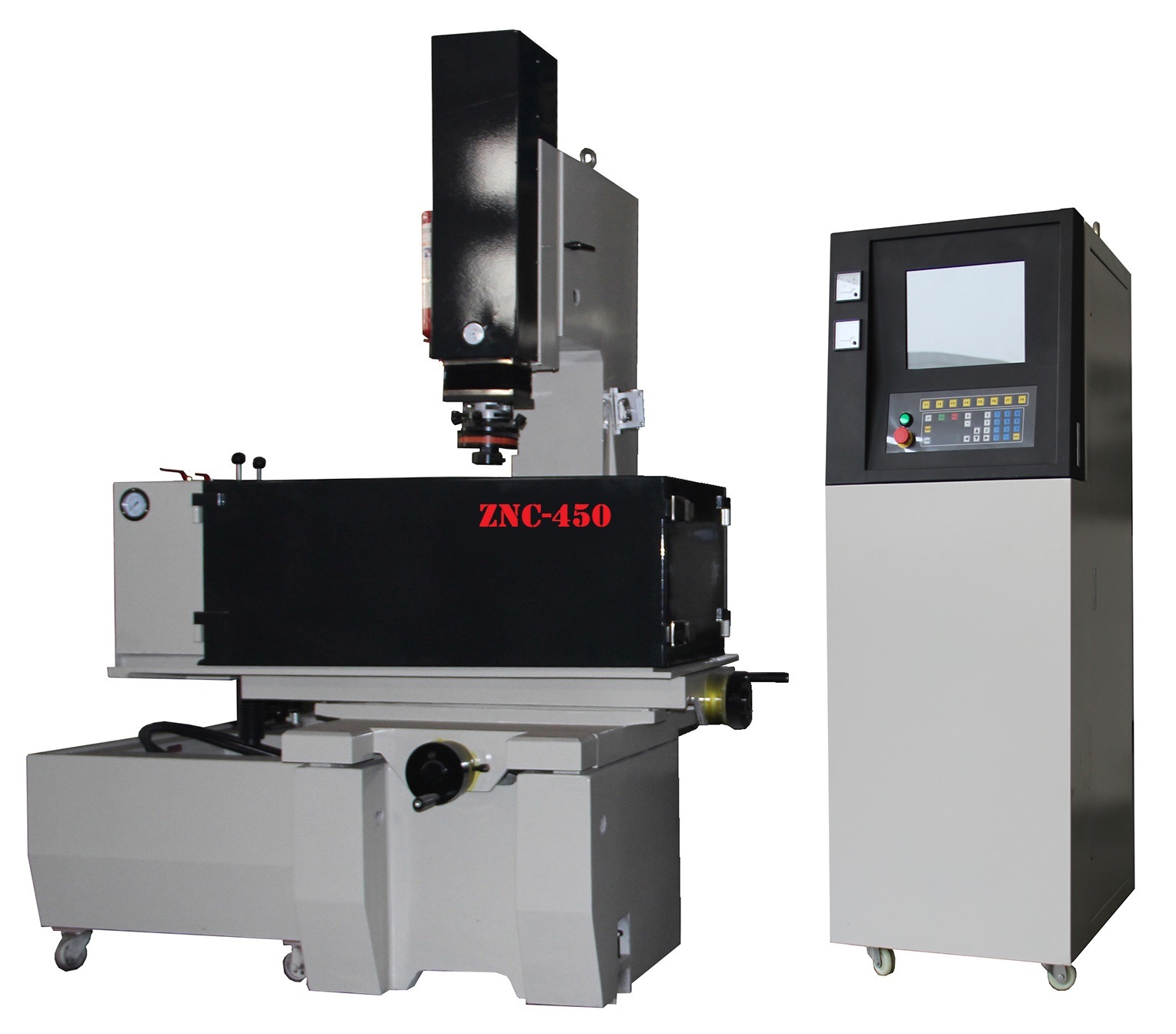
BOFENG's Engineering Approach to High-Hardness Material Machining
Wuxi Bofeng International Group Co., Ltd., operating under the BOFENG brand, positions its EDM Die Sinking (PNC/ZNC/CNC) product line specifically as a sinker electrical discharge machine engineered for precision machining of hard-to-cut materials, including carbide and advanced ceramics. The product is built around a core differentiated value: delivering high-speed spark erosion paired with micron-level accuracy, enabling tight-tolerance machining on ultra-hard materials.
This positioning reflects a broader strategic approach across BOFENG's EDM machine series, which also includes EDM wire cut and EDM drilling equipment. Across this series, the company emphasizes several structural advantages inherent to electrical discharge machining: performance that is independent of workpiece material hardness, the ability to machine complex, micro, and irregular cavities and slits, the absence of mechanical cutting force (which minimizes workpiece deformation and suits thin-wall components), adjustable surface finish ranging from rough cutting to mirror finishing, and low clamping force requirements that add flexibility across varied precision machining tasks.
Technical Capabilities Behind BOFENG EDM Die Sinking Machines
On the technical side, BOFENG's EDM Die Sinking machines are built with ZNC, PNC, and CNC control architecture, offering micron-level processing with tolerance up to 0.005mm and a best achievable surface finish of Ra0.1. These specifications directly address the dual demands of carbide processing: dimensional precision in complex cavity geometries and surface quality that can reduce or eliminate secondary finishing work.
This capability sits within a broader technology platform at Wuxi Bofeng International Group Co., Ltd. that spans EDM die sinking, EDM wire cutting, EDM drilling, gantry CNC milling, vertical and horizontal machining centers, CNC turning and lathe machines, and grinding equipment. The company's R&D team, composed of 20+ engineers across different specialized fields, also offers the capability to design and build special-purpose machines beyond standard models — relevant for carbide processing operations that require non-standard electrode configurations, travel sizes, or cavity geometries.
Manufacturing Scale and Quality Assurance
Wuxi Bofeng International Group Co., Ltd. operates four dedicated factories and one exporting company in Jiangsu province, headquartered in Wuxi, Jiangsu, China, supported by a 60,000-square-meter workshop and more than 260 employees. The company brings more than 20 years of specialized experience in high precision machining equipment research, development, and manufacturing, having developed and produced its first VMC855L starting in 2006, followed by CNC EDM die sinking machine development beginning in 2009.
This manufacturing foundation is backed by recognized qualifications, including National High-Tech Enterprise certification in 2022 for its CNC Milling machine factory and in 2023 for its WEDM/EDM wire cut machine factory, Jiangsu provincial Private Technology Enterprise certification in 2022, along with ISO 9000 and CE certifications. These credentials reflect a structured, quality-controlled manufacturing environment behind the EDM die sinking product line.
Global Service and Total Cost of Ownership
For buyers evaluating carbide-capable EDM equipment, procurement cost and after-sales reliability are often as critical as technical specifications. BOFENG's stated value proposition centers on helping overseas customers cut total procurement costs by 15-20% through a combination of high efficiency standard equipment and custom engineered machinery. This is supported by a 24-hour rapid worldwide technical support and spare parts supply service, with the company having exported to over 50 countries and maintaining partners in 20+ countries.
The delivery model for EDM Die Sinking machines includes direct machinery supply and export, along with custom special-purpose EDM machine design service available on request — giving buyers flexibility between standardized procurement and tailored engineering solutions.
Industry Applications and Custom Engineering
BOFENG positions its EDM Die Sinking machines for mold and die manufacturing, custom tooling production, and high-hardness precision component machining — industry segments where carbide processing is most frequently encountered. These applications typically demand both the dimensional stability and the surface finish quality that spark erosion technology, properly engineered, can deliver on hardened conductive materials that resist conventional cutting approaches.
Final Considerations
Selecting an EDM die sinking machine for carbide processing ultimately comes down to matching technical capability — tolerance, surface finish, control flexibility, and electrode wear management — with manufacturing credibility and global service support. Wuxi Bofeng International Group Co., Ltd., through its BOFENG brand, presents a combination of these factors: a dedicated EDM Die Sinking (PNC/ZNC/CNC) product engineered specifically for hard-to-cut materials, a manufacturing base with national high-tech enterprise recognition, and a global support network designed to minimize downtime for overseas buyers working with high-hardness materials.
www.bofengmachinery.com
Wuxi Bofeng International Group Co.,Ltd.
About Author

More Stories
Is the grinding equipment ready for the trend of using suspension agents instead of emulsion?
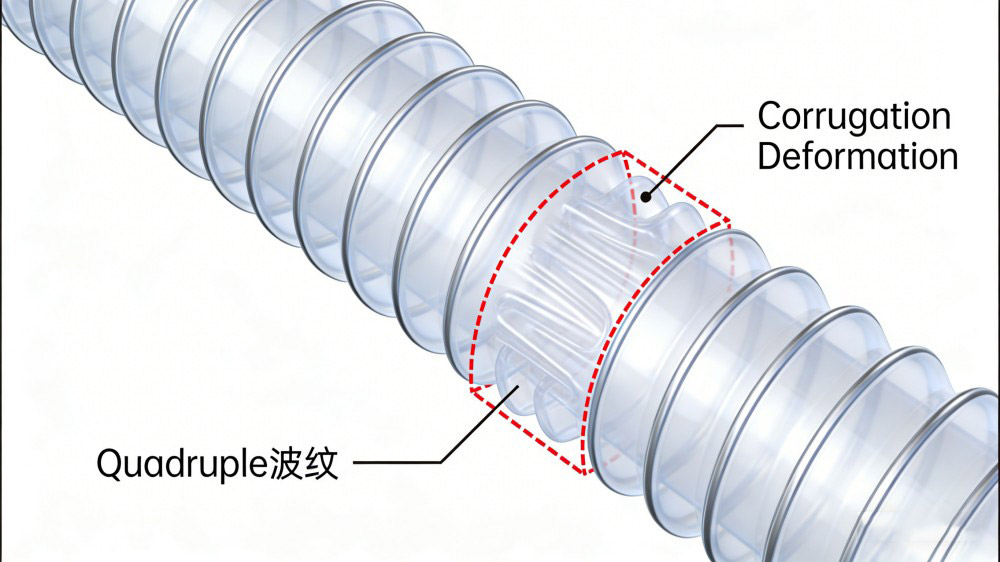
Popular Science | Common Faults & Solutions for PTFE Corrugated Pipes
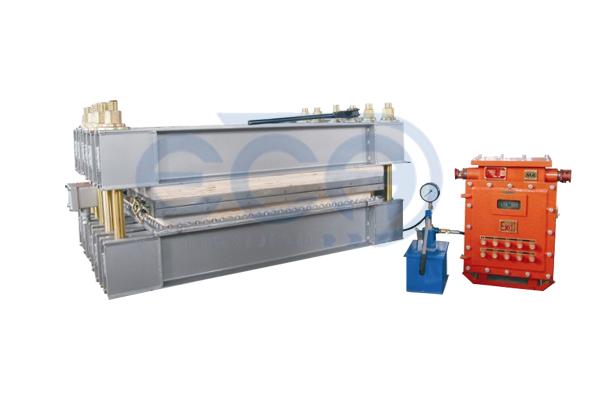
Repair technology for vulcanized rubber belt joints of belt vulcanizing machines