Author: China Golden Abrasives
Website: http://www.goldenabrasives.com
Email: sales@goldenabrasives.com
WhatsApp:+86 13636609141
https://www.goldenabrasives.com/Non-woven-abrasives
The global stainless steel market is projected to reach $30.13 billion by 2032, expanding at a 4.72% CAGR from 2025 onward. As 2026 unfolds, the industry is entering a more refined development stage—moving away from volume-driven expansion toward efficiency upgrades, product structure optimization, and higher-value applications.
Alongside this transition, advanced finishing solutions such as non-woven abrasives are playing a growing role in improving surface consistency and processing efficiency. In particular, solutions like Golden Abrasives non-woven abrasives are increasingly used in industrial polishing, cleaning, and preparation workflows.
Supply-Side Shift: From Expansion to Structural Optimization
Higher Capacity Utilization and Exit of Low-End Production
In 2026, stainless steel manufacturers are accelerating the phase-out of inefficient 200-series production, which has faced long-term pressure from performance limitations and stricter environmental requirements. As a result, overall industry capacity utilization is expected to rise to 78–80%, an increase of 2–3 percentage points compared with 2025.
This improvement reflects a healthier supply structure, as excess low-end capacity is gradually removed while operational efficiency improves across leading producers.
Production Growth with a Clear Product Mix Upgrade
Total stainless steel output is forecast to reach 41.26 million tons, representing a 3.15% year-on-year increase.
The structure of production continues to evolve:
-
300-series stainless steel remains dominant, exceeding 52% share, or about 21.63 million tons
-
400-series stainless steel benefits from cost advantages, reaching 7.6 million tons (18.4% share)
-
200-series stainless steel continues to shrink as it exits mainstream applications
This shift highlights a clear industry direction: fewer low-end products and stronger focus on high-performance and specialty materials.
Demand Outlook: Stable Core Industries + Rapid High-End Expansion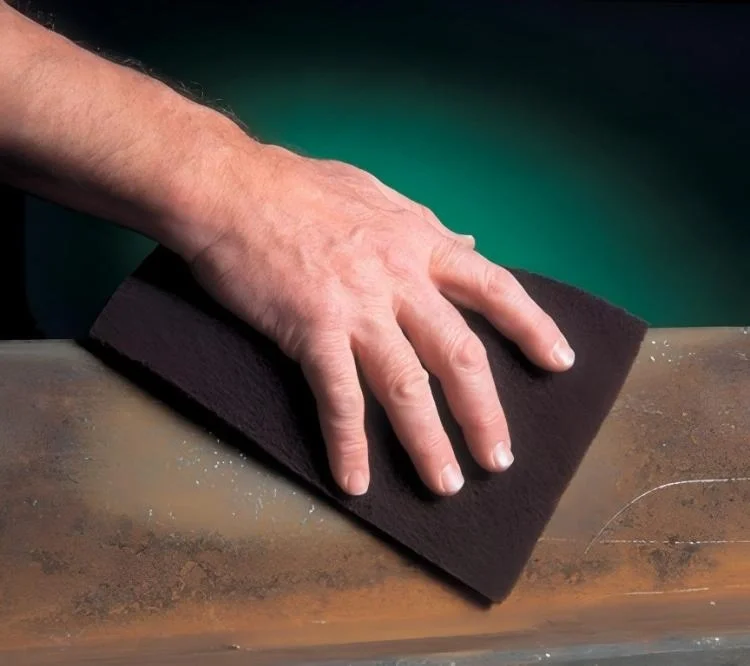
Traditional Sectors Provide Stable Baseline Growth
Core downstream industries such as construction, home appliances, and general machinery continue to support steady consumption.
-
Construction demand: 10.21 million tons (+3.5% YoY)
-
Home appliances: 7.58 million tons (+4.8% YoY)
Overall, traditional applications are expected to grow modestly by around 1.2%, providing a stable foundation for the market.
Emerging Industries Become the Main Growth Engine
The most significant demand increase comes from high-tech and advanced manufacturing sectors. Industries such as renewable energy, rail systems, marine engineering, and hydrogen storage are rapidly increasing their use of stainless steel due to its corrosion resistance and structural reliability.
Key growth contributions include:
-
Over 1.2 million tons of incremental demand from emerging sectors
-
Approximately 300,000 tons driven by hydrogen storage systems
-
Strong demand growth in photovoltaic mounting structures and EV battery casings
These applications strongly favor 300-series and duplex stainless steels, reinforcing the shift toward higher-grade materials.
Policy-Driven Consumption Boost
Government-led infrastructure upgrades and equipment replacement programs are also accelerating demand.
Upgrades in residential elevators and appliance replacement initiatives alone are expected to generate more than 500,000 tons of additional stainless steel consumption, pushing total domestic demand to approximately 35.5 million tons (+4.4% YoY).
Industry Trends: Stability, Innovation, and Global Expansion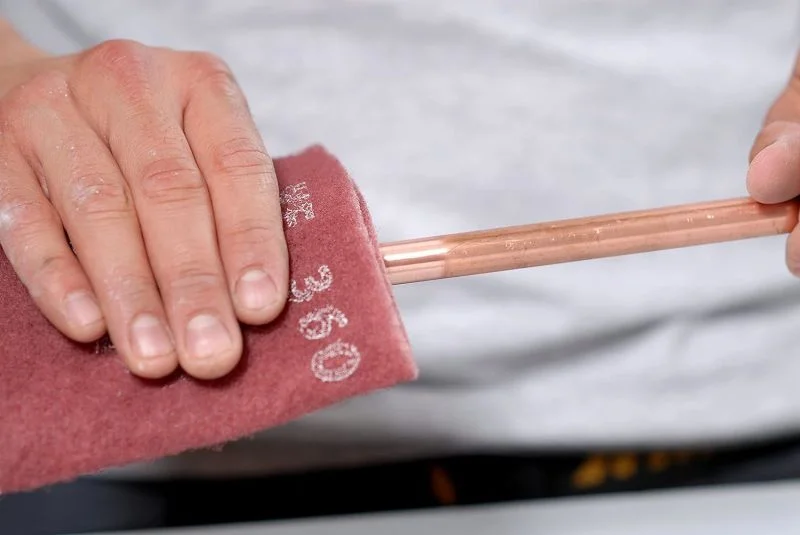
Narrowing Price Volatility
Stainless steel prices in 2026 are expected to stabilize further. For example, 304 cold-rolled coil is forecast to trade in the range of 14,000–16,000 CNY/ton, with volatility controlled within 8%, significantly lower than the previous year.
This stabilization improves planning visibility for both upstream producers and downstream manufacturers.
Strong Focus on Technological Upgrading
R&D efforts are increasingly concentrated on high-performance materials such as:
-
Duplex stainless steels
-
Heat-resistant grades
-
Precision-engineered alloys
High-end stainless steel is expected to account for 22% of total output, up 4 percentage points from 2025, reducing reliance on imports and strengthening domestic competitiveness.
Expanding Global Reach
Chinese stainless steel exporters continue to expand into Southeast Asia, Europe, and South America. Export volumes are projected to grow by 2.8% year-on-year, supported by improved trade stability and competitive production costs.
In parallel, leading manufacturers are also investing in overseas production facilities to strengthen their global supply chains.
Surface Finishing Innovation: The Rising Role of Non-Woven Abrasives
 Beyond production and demand fundamentals, surface finishing quality has become a critical differentiator in stainless steel applications.
This is where non-woven abrasives play a crucial role.
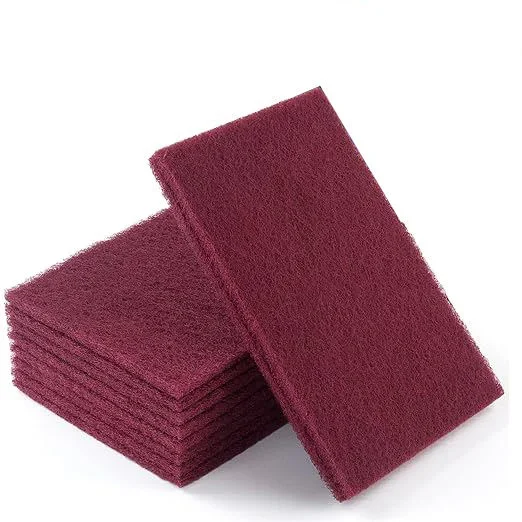
Industrial solutions such as Golden Abrasives non-woven abrasives are widely used for:
-
Surface cleaning and oxidation removal
-
Fine polishing of stainless steel components
-
Pre-treatment before coating or welding
Their flexible three-dimensional fiber structure allows consistent performance on flat surfaces, curves, and irregular geometries.
In many applications, they serve as an effective alternative to traditional scotch brite pad products, offering similar controlled abrasion and finishing precision. Whether used as a scouring abrasive pad in manual operations or integrated into machine-based polishing systems, they deliver stable results across automotive, fabrication, and maintenance environments.
Conclusion
The stainless steel industry in 2026 is characterized by structural optimization, steady demand growth, and accelerated movement toward high-value production. While traditional sectors provide stability, emerging industries are driving the next wave of expansion.
At the same time, pricing is becoming more stable, technological innovation is accelerating, and global market participation continues to expand.
In this evolving landscape, surface finishing solutions such as non-woven abrasives, scotch brite pad alternatives, and scouring abrasive pad products are becoming increasingly important. They support manufacturers in achieving higher surface quality, improved efficiency, and more consistent performance.
As stainless steel production advances toward higher standards of quality and sustainability, finishing technologies will remain a key enabler of industrial competitiveness.
www.goldenabrasives.com
China Golden Abrasives
About Author

More Stories
How to Select the Best Ceramic Green Film Disc for Different Sanding Applications
The Advantages of Private Label Services from a Dust-Free TPR Eraser Company
Why Professional Nail Tool Ecosystems Are Replacing Single Product Purchasing for Global Beauty Brands