In today’s industrial landscape, electric motors play a vital role in ensuring productivity, operational efficiency, and system reliability. Two of the most commonly used motor types are Permanent Magnet Synchronous Motors (PMSM) and Induction Motors. Although both are designed to convert electrical energy into mechanical motion, they differ greatly in working principles, efficiency levels, and suitable applications.
For engineers, procurement specialists, and plant managers, understanding these distinctions is essential when choosing the most appropriate motor for a given system.
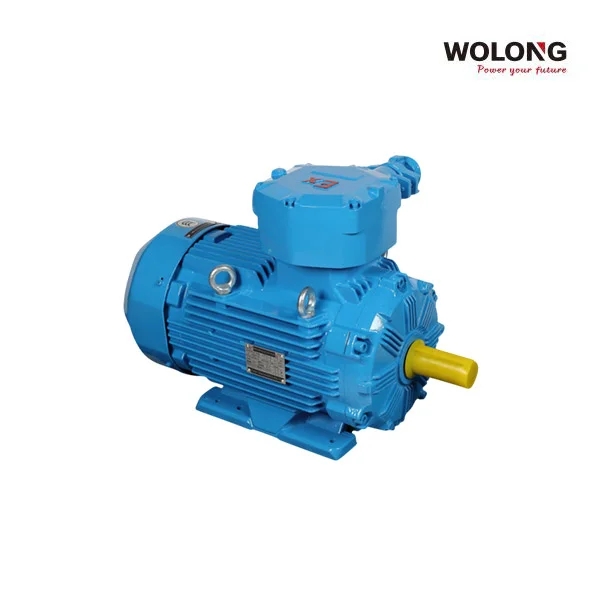
Overview of PMSM and Induction Motors
A Permanent Magnet Synchronous Motor (PMSM) operates using permanent magnets installed on the rotor to generate a steady magnetic field. Since it does not require rotor current, the motor runs in perfect synchronization with the supply frequency.
In contrast, an Induction Motor functions based on electromagnetic induction. The rotor does not receive direct electrical input; instead, current is induced through the stator’s rotating magnetic field. This results in the rotor always running slightly below synchronous speed, a phenomenon known as slip.
For further technical insights into PMSM technology and its industrial usage, you can explore:
<a href="https://www.juyueenergy.com/Permanent-magnet-synchronous-motor">Permanent Magnet Synchronous Motor</a>
Main Differences Between PMSM and Induction Motors
1. Working Mechanism
The key distinction lies in how the rotor magnetic field is created.
-
PMSM: Relies on permanent magnets to maintain a constant magnetic field in the rotor.
-
Induction Motor: Generates rotor magnetism through induced electrical currents.
Because PMSMs avoid rotor current flow, they eliminate copper losses in the rotor, improving overall efficiency.
2. Energy Efficiency
Efficiency is a critical factor in industrial operations.
-
PMSM: Delivers high efficiency even at partial load conditions, with reduced energy losses and minimal heat production.
-
Induction Motor: Experiences greater energy loss due to rotor current and tends to be less efficient under light loads.
For industries with high energy consumption—such as HVAC systems, manufacturing plants, and water treatment facilities—PMSMs can significantly reduce long-term electricity costs.
3. Size and Power Density
Power density reflects how much output a motor can deliver relative to its physical size.
-
PMSM: Compact design with high power density, making it suitable for space-limited installations.
-
Induction Motor: Typically larger and heavier for equivalent power output.
This makes PMSMs ideal for modern equipment where compact integration is important.
4. Control Accuracy and Speed Stability
Precision control is essential in many advanced applications.
-
PMSM: Runs at synchronous speed with excellent stability and precise control, especially when paired with variable frequency drives (VFDs).
-
Induction Motor: Operates with slip, resulting in less precise speed regulation unless advanced control methods are applied.
For robotics, CNC machines, and automated production systems, PMSMs offer superior performance.
5. Starting Characteristics
Motor startup behavior affects system design and electrical demand.
-
PMSM: Requires electronic control (such as VFDs) for smooth and controlled startup.
-
Induction Motor: Can start directly from the power supply but draws high inrush current during startup.
While induction motors are simpler to initiate, PMSMs provide more controlled and efficient acceleration.
6. Maintenance and Durability
Maintenance needs directly impact operating costs.
-
PMSM: No rotor windings, resulting in lower wear and reduced maintenance requirements.
-
Induction Motor: Rotor heating and insulation stress may increase maintenance over time.
In continuous-duty operations, PMSMs often provide longer service life with fewer interruptions.
7. Cost Comparison
Cost evaluation should consider both purchase price and long-term operating expenses.
-
PMSM: Higher initial investment but lower energy consumption and maintenance costs over time.
-
Induction Motor: Lower upfront cost but potentially higher lifetime operating expenses.
For projects emphasizing sustainability and efficiency, PMSMs usually deliver better long-term value.
Typical Application Areas
Where PMSMs Are Preferred
PMSMs are widely used in:
-
Electric vehicles and drive systems
-
High-efficiency industrial automation
-
HVAC systems with variable load conditions
-
Robotics and precision machinery
-
Renewable energy equipment
Their combination of efficiency, compact size, and precise control makes them suitable for advanced applications.
Where Induction Motors Remain Common
Induction motors are still widely applied in:
-
Pumps and fans
-
Conveyor systems
-
Standard industrial equipment
-
Constant-speed operations
Their robustness, simplicity, and lower initial cost make them practical for general-purpose use.
Choosing the Right Motor
Selecting between PMSM and induction motor should be based on real operational needs:
-
Load characteristics: Variable loads favor PMSMs; constant loads may suit induction motors.
-
Energy efficiency priorities: PMSMs are more energy-efficient.
-
Control precision: PMSMs provide superior speed and torque accuracy.
-
Budget constraints: Induction motors reduce initial investment costs.
-
Installation space: PMSMs are better for compact designs.
Engineering and System Integration Support
Motor selection should always be evaluated within the context of the entire system rather than in isolation.
Shanghai Juyue Energy Engineering Co., Ltd. provides comprehensive engineering and technical services, including:
-
Project planning and requirement analysis
-
Customized equipment selection
-
System integration and optimization
-
Power transmission and distribution solutions
Through system-level optimization, the company ensures that each solution achieves both performance efficiency and long-term operational value.
Future Development Trends
With global emphasis on energy conservation and carbon reduction, PMSM adoption continues to grow rapidly.
Key industry trends include:
-
Expanding use in automation and smart manufacturing
-
Integration with IoT-based control systems
-
Increasing applications in electric mobility and renewable energy
-
Ongoing advancements in magnet materials and cost efficiency
Although induction motors will remain relevant, PMSMs are increasingly becoming the standard choice for high-efficiency industrial systems.
Conclusion
Both PMSMs and induction motors play important roles in modern industry, but their strengths differ significantly.
-
PMSMs offer higher efficiency, better precision, and compact design advantages
-
Induction motors provide simplicity, durability, and lower initial cost
For organizations focused on performance optimization and long-term operational savings, PMSMs are becoming the preferred solution.
With the support of experienced engineering partners such as Shanghai Juyue Energy Engineering Co., Ltd., companies can ensure that motor selection aligns with overall system goals, achieving reliable, efficient, and cost-effective industrial performance.
www.juyueenergy.com
Shanghai Juyue Energy Engineering Co., Ltd.
About Author

More Stories
Polymer Testing and Processing Innovation: How Jiangsu Tianyuan Is Shaping Modern Laboratory Equipment Solutions
Why Tungsten Plated Tubing and Casing Are Ideal for Harsh Oilfield Environments
Laser Welding vs. MIG and TIG: How to Choose the Best Welding Process for OEM Metal Parts