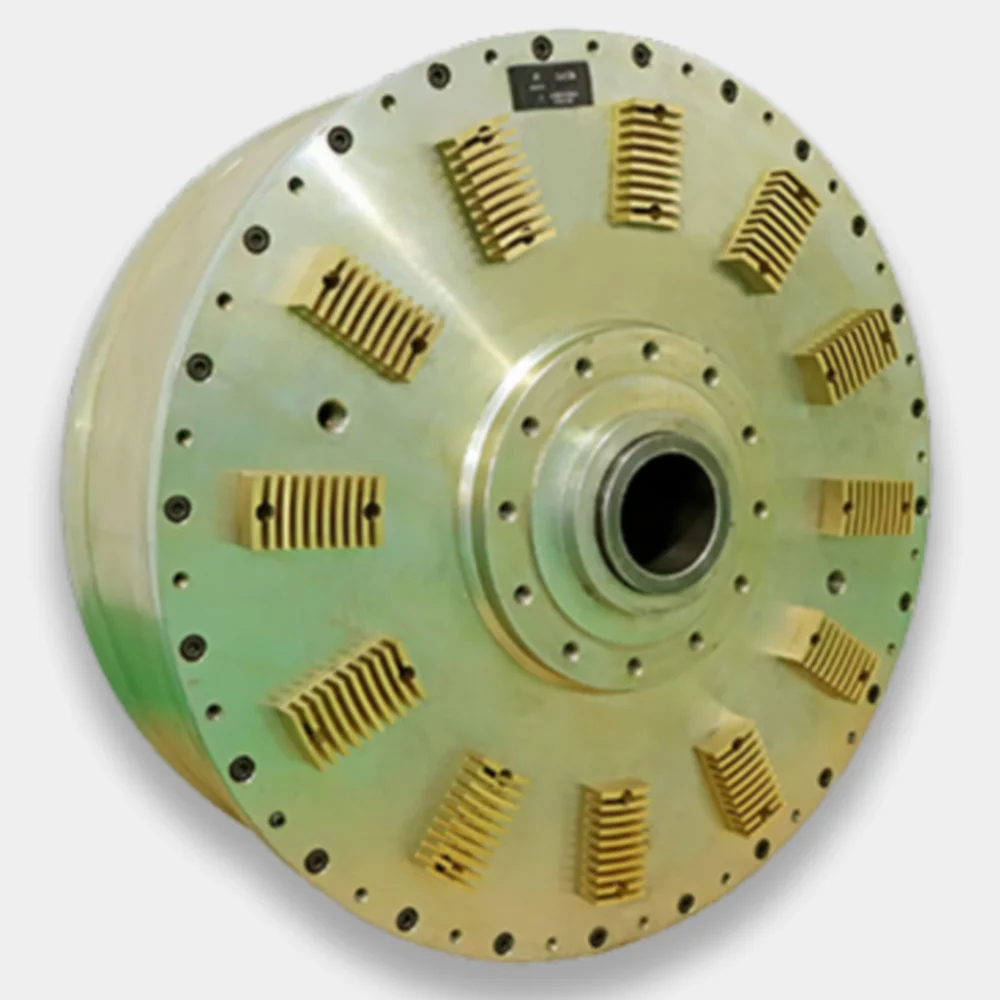
Explosion proof flexible couplings are critical components for ensuring safe operation in environments where flammable gases, vapors, or dust create explosion hazards. Unlike standard couplings, these devices are specifically engineered to prevent sparks, friction, and other ignition sources that can trigger catastrophic accidents.
Understanding the Risk
Mechanical couplings transmit torque between rotating shafts, but conventional designs can generate sparks or heat due to:
-
Metal-to-metal contact under high load
-
Misalignment between connected shafts
-
Sudden torque overload or vibration
-
Friction caused by wear or insufficient lubrication
In hazardous environments, even a small spark can ignite combustible dust or gas, making preventive measures essential.
Explosion-Proof Design Features
1. Non-Sparking Materials
Explosion proof flexible couplings use specialized materials such as stainless steel alloys, high-grade composites, or coatings that minimize metal-on-metal friction. These materials are carefully selected to resist wear and prevent spark generation even under high stress.
2. Flexible and Magnetic Torque Transmission
Many explosion-proof couplings integrate flexible or magnetic elements to absorb misalignment, vibration, and shock loads. This prevents sudden mechanical impacts that could produce sparks:
-
Flexible torsion elements allow small angular or axial misalignments without metal contact.
-
Magnetic torque transmission provides contactless power transfer, fully eliminating friction-based spark risks.
3. Torque Limiting Mechanisms
Sudden torque spikes can lead to mechanical impacts, heating, or friction—all potential ignition sources. Explosion-proof couplings often include torque-limiting features that prevent overloads, ensuring smooth, controlled torque transmission.
4. Isolation and Enclosure Design
Explosion-proof couplings may also incorporate sealed housings or protective enclosures:
-
Dust and gas exclusion prevents flammable particles from entering moving parts.
-
Controlled movement reduces vibration and friction heat, further minimizing ignition risk.
5. Compliance with Hazardous Area Standards
These couplings meet strict international safety standards for low-spark operation, ensuring safe mechanical performance in high-risk environments.
Applications Where Spark Prevention Is Critical
Explosion proof flexible couplings are widely used in equipment where low fire risk is essential:
-
Mining – Coal conveyors, crushers, and pumps operating in dust-laden mines.
-
Oil & Gas – Compressors, pumps, and drilling machinery in gas-rich environments.
-
Chemical Processing – Reactors, agitators, mixers, and chemical dosing equipment handling volatile chemicals.
Through material selection, flexible or magnetic torque transmission, torque limiting, and isolation design, explosionproof flexible couplings significantly reduce the risk of sparks and ignition. These couplings are indispensable for mechanical and electrical systems operating in hazardous atmospheres, ensuring both safety and reliability.
https://www.magicmag-tech.com/how-explosion-proof-flexible-couplings-prevent-sparks-and-ignition-ris
SHANGHAI GAOLV E&M Technology Co.,Ltd.
About Author



More Stories
A Complete Guide to Buying Wholesale Scroll Air Compressors from Reliable Suppliers
Mechanical Counter Flowmeter: Benefits and Design Features
Smart Home EV Charging: The Complete Installation Guide